Table of Contents
In an era defined by rapid technological advancement, shifting workplace demands, and constant information flow, the ability to learn continuously has become more than just an advantage—it’s a necessity. Developing a mindset for learning is the foundation upon which personal growth, professional success, and lifelong fulfillment are built. This comprehensive guide explores the science-backed strategies and practical approaches that can help you cultivate curiosity, embrace flexibility, and unlock your full learning potential.
The Science Behind Learning Mindsets
Understanding how our brains process information and adapt to new challenges is fundamental to developing effective learning strategies. The concept of mindset—particularly as it relates to learning and intelligence—has transformed educational psychology and our understanding of human potential.
What Is a Growth Mindset?
A growth mindset is the belief that human capacities are not fixed but can be developed over time, a concept pioneered by Stanford psychologist Carol Dweck. This perspective stands in stark contrast to a fixed mindset, where individuals believe their abilities are predetermined and unchangeable. Dweck’s studies show that students with a growth mindset consistently outperform students with a fixed mindset, demonstrating the profound impact our beliefs have on our actual performance.
Students may view intelligence as a fixed quantity that they either possess or do not possess (a fixed mindset) or as a malleable quantity that can be increased with effort and learning (a growth mindset). This distinction isn’t merely academic—it shapes how we approach challenges, respond to setbacks, and ultimately, how much we achieve throughout our lives.
The implications of mindset research extend far beyond the classroom. The passion for stretching yourself and sticking to it, even (or especially) when it’s not going well, is the hallmark of the growth mindset. This resilience becomes particularly valuable in professional environments where adaptability and continuous skill development are essential for career advancement.
The Neuroscience of Learning: Understanding Neuroplasticity
The biological foundation for growth mindset lies in neuroplasticity—the brain’s remarkable ability to reorganize itself throughout life. Once believed to occur only during early development, research now shows that plasticity continues throughout the lifespan, supporting learning, memory, and recovery from injury or disease.
Neuroplasticity refers to the ability of the brain to reorganize and modify its neural connections in response to environmental stimuli, experience, learning, injury, and disease processes. This means that every time you learn something new, practice a skill, or engage with challenging material, your brain physically changes. Neural pathways strengthen with use, new connections form, and your cognitive capabilities expand.
When students push out of their comfort zone to learn something new and difficult, the neurons in their brain can form new, stronger connections, and over time they can get smarter. This scientific reality provides powerful motivation for embracing challenges rather than avoiding them. Your brain is literally designed to grow through effort and engagement.
The practical applications of neuroplasticity research are profound. Though the number of neurons may decline with age, emerging research has shown that neuroplasticity helps the brain retain its ability to adapt both structurally and functionally throughout life. This means that regardless of your age, you maintain the capacity to learn new skills, acquire knowledge, and develop cognitive abilities.
Core Characteristics of a Learning Mindset
Developing a robust learning mindset involves cultivating specific attitudes and behaviors that support continuous growth and development. These characteristics work together to create a psychological framework that enables effective learning across all domains of life.
Embracing Challenges as Opportunities
One of the most distinctive features of a growth-oriented learning mindset is the ability to view challenges not as threats but as opportunities for development. Research shows that mindsets play a critical role in whether students relish challenges, thrive on struggles, and persevere in the face of setbacks.
When you encounter difficult tasks or complex problems, your immediate reaction reveals much about your underlying mindset. Those with a fixed mindset often experience anxiety, worry about appearing incompetent, or avoid the challenge altogether. In contrast, individuals with a growth mindset recognize that difficulty signals an opportunity to expand their capabilities.
This shift in perspective transforms the learning experience. Rather than seeking tasks that confirm existing abilities, growth-minded learners actively pursue challenges that stretch their current skill level. They understand that the discomfort of struggling with new material is not a sign of inadequacy but rather evidence that genuine learning is occurring.
Persistence Through Setbacks
Resilience in the face of failure distinguishes successful learners from those who plateau. In the growth mindset, failure can be a painful experience, but it doesn’t define you. It’s a problem to be faced, dealt with, and learned from.
The relationship between mindset and persistence becomes particularly evident when examining how individuals respond to mistakes and setbacks. Growth mindset individuals don’t mind or fear failure as much because they realize their performance can be improved and learning comes from failure. This psychological buffer against discouragement enables sustained effort even when progress seems slow or obstacles appear insurmountable.
Developing this characteristic requires conscious effort to reframe setbacks. Instead of asking “Why can’t I do this?” growth-minded learners ask “What can I learn from this?” or “What strategy should I try next?” This subtle shift in self-talk can dramatically impact motivation and persistence over time.
Valuing Effort as the Path to Mastery
Perhaps counterintuitively, one of the most damaging beliefs associated with fixed mindsets is the notion that talent alone determines success. Students in a fixed mindset have a poisonous belief, the belief that if you’re really smart you shouldn’t need much effort and that if you need effort to do well, then you’re not really that smart.
This misconception leads to a paradoxical situation where individuals avoid effort to protect their self-image, ultimately limiting their achievement. In reality, effort is the mechanism through which potential transforms into ability. Students in a growth mindset see effort as a good thing. When they look at geniuses or great achievers, they see people who worked really hard, used good strategies, and sought input and mentorship over long periods of time.
Understanding the true role of effort liberates learners from the pressure of appearing naturally talented. It redirects focus toward the process of improvement rather than the performance of competence. This shift enables more authentic engagement with learning activities and reduces the anxiety that often accompanies new challenges.
Learning from Criticism and Feedback
The ability to receive and integrate feedback is essential for growth, yet it’s an area where mindset plays a crucial role. Individuals with fixed mindsets often interpret criticism as a judgment of their inherent worth or ability, leading to defensive reactions that block learning.
Students need positive reinforcement and constructive feedback to meaningfully improve. Growth-minded learners actively seek feedback, viewing it as valuable information that can guide their development. They separate their identity from their performance, recognizing that critique of their work is not critique of their person.
This openness to feedback creates a virtuous cycle of improvement. By welcoming input from teachers, mentors, peers, and even critics, learners gain access to perspectives and insights they couldn’t generate independently. This external information becomes fuel for refinement and growth.
Finding Inspiration in Others’ Success
The final characteristic of a growth mindset involves how we respond to the achievements of others. Fixed mindset individuals often feel threatened by others’ success, viewing it as evidence of their own limitations. This comparative thinking generates envy, discouragement, and disengagement.
Growth-minded learners, however, find inspiration and learning opportunities in others’ accomplishments. They ask questions like “What strategies did they use?” “How did they overcome obstacles?” and “What can I learn from their approach?” This curiosity transforms potential rivals into role models and sources of insight.
By celebrating others’ achievements and studying their paths to success, learners expand their understanding of what’s possible and discover new strategies they can adapt to their own circumstances. This collaborative rather than competitive orientation enriches the learning environment for everyone involved.
Strategies to Boost Your Curiosity
Curiosity is the engine that drives exploration, discovery, and deep learning. While some people seem naturally curious, curiosity is actually a skill that can be deliberately cultivated and strengthened over time. The following strategies provide practical approaches to awakening and sustaining your natural sense of wonder and inquiry.
Cultivate the Habit of Questioning
Questions are the gateway to deeper understanding. Developing a questioning mindset involves moving beyond passive acceptance of information to active engagement with ideas, concepts, and phenomena. This doesn’t mean being skeptical of everything, but rather maintaining a healthy curiosity about how things work, why they matter, and what connections exist between different domains of knowledge.
Start by making questioning a deliberate practice. When you encounter new information, pause to ask: What assumptions underlie this idea? How does this connect to what I already know? What would happen if we changed one variable? What questions does this answer raise? These inquiries transform learning from a process of memorization into one of genuine understanding.
The quality of your questions matters as much as their quantity. Effective questions are open-ended, inviting exploration rather than simple yes-or-no answers. They probe beneath surface-level facts to examine relationships, implications, and applications. Over time, this questioning habit becomes automatic, enriching every learning experience.
Explore Topics Outside Your Comfort Zone
Intellectual growth requires venturing beyond familiar territory. While it’s natural to gravitate toward subjects that align with existing interests and strengths, true curiosity involves willingness to explore unfamiliar domains. This cross-pollination of ideas often leads to unexpected insights and creative connections.
Engaging in learning-based activities such as taking an adult education course, picking up a new hobby, or even reading books that introduce new concepts, and meeting new people and learning about them is a great way to enhance neuroplasticity. Each new subject you explore creates fresh neural pathways and expands your cognitive repertoire.
Consider dedicating time each week to learning about something completely outside your usual sphere of interest. If you’re a scientist, explore art history. If you work in finance, study philosophy or music theory. These intellectual excursions not only broaden your knowledge base but also enhance your ability to think creatively and make novel connections within your primary field.
The key is approaching these explorations with genuine openness rather than judgment. Resist the temptation to evaluate whether a subject is “useful” or “relevant” to your immediate goals. The value often emerges unexpectedly, sometimes years later, when insights from disparate fields suddenly converge to solve a problem or generate a new idea.
Engage in Meaningful Discussions
Conversation is one of the most powerful tools for expanding understanding and challenging assumptions. Engaging with people who hold different viewpoints, come from different backgrounds, or possess expertise in different areas exposes you to perspectives you might never encounter otherwise.
Seek out discussions that challenge your thinking rather than simply confirming what you already believe. This requires intellectual humility—the recognition that your current understanding is always incomplete and potentially flawed. Approach conversations with genuine curiosity about others’ perspectives, asking clarifying questions and probing the reasoning behind their views.
Effective dialogue involves active listening, not just waiting for your turn to speak. Pay attention to the nuances of others’ arguments, the evidence they cite, and the experiences that shape their perspectives. Even when you disagree, there’s almost always something valuable to learn from understanding how others think about complex issues.
Consider joining discussion groups, attending lectures and Q&A sessions, or participating in online forums focused on topics that interest you. These structured environments provide opportunities for sustained intellectual engagement and exposure to diverse viewpoints.
Diversify Your Reading and Media Consumption
The information we consume shapes our thinking in profound ways. A diverse reading diet exposes you to different writing styles, argumentation approaches, cultural perspectives, and domains of knowledge. This variety strengthens cognitive flexibility and prevents the intellectual stagnation that comes from consuming only familiar content.
Deliberately vary the genres, formats, and sources of your reading material. Mix fiction with non-fiction, long-form articles with academic papers, contemporary works with classics. Read authors from different countries, cultures, and historical periods. Explore subjects ranging from science and technology to humanities and arts.
Don’t limit yourself to written material. Podcasts, documentaries, lectures, and educational videos offer alternative formats that can make complex information more accessible and engaging. Different media formats activate different cognitive processes, enriching your overall learning experience.
Create a system for tracking and organizing interesting ideas you encounter. Whether through note-taking apps, physical journals, or bookmarking systems, capturing insights for later reflection helps consolidate learning and makes it easier to identify patterns and connections across different sources.
Practice Mindful Awareness
Curiosity thrives on attention. In our distraction-filled world, the ability to be fully present with experiences, ideas, and phenomena is increasingly rare—and increasingly valuable. Mindfulness practices enhance your capacity to notice details, appreciate nuances, and engage deeply with whatever you’re learning.
Mindful learning involves bringing full attention to the present moment without judgment. When reading, resist the urge to multitask or let your mind wander. When listening to a lecture or conversation, focus completely on understanding rather than formulating your response. When observing a phenomenon, notice details you might normally overlook.
This quality of attention transforms ordinary experiences into learning opportunities. A walk through your neighborhood becomes a chance to observe architectural details, ecological relationships, or social patterns. A routine task at work becomes an opportunity to notice inefficiencies or imagine improvements. Mindfulness turns the familiar strange again, rekindling the sense of wonder that drives curiosity.
Regular meditation practice can strengthen your capacity for sustained attention and present-moment awareness. Even brief daily sessions—as little as ten minutes—can enhance your ability to focus and notice, skills that directly support curious exploration and deep learning.
Embrace the Unknown and Uncertainty
Curiosity requires comfort with not knowing. Many people experience anxiety when confronted with gaps in their knowledge or understanding, leading them to avoid unfamiliar territory. Developing curiosity means reframing uncertainty from something threatening into something exciting—a space of possibility and potential discovery.
Practice sitting with questions before rushing to answers. When you encounter something you don’t understand, resist the immediate urge to Google it. Instead, spend time wondering, hypothesizing, and exploring your own thinking about the topic. This active engagement with uncertainty deepens learning more effectively than passive information consumption.
Acknowledge and celebrate what you don’t know. Maintaining a “learning list”—topics you’re curious about but haven’t yet explored—can help you view gaps in knowledge as opportunities rather than deficiencies. This list becomes a roadmap for future learning adventures.
Developing Cognitive and Emotional Flexibility
Flexibility—the ability to adapt your thinking, behavior, and emotional responses to changing circumstances—is essential for effective learning and personal growth. In a world characterized by rapid change and increasing complexity, rigid thinking patterns become liabilities while flexible approaches enable success.
Understanding Psychological Flexibility
Psychological flexibility involves the capacity to stay in contact with the present moment and, based on what the situation affords, persist with or change behavior in the service of chosen values. This concept, central to Acceptance and Commitment Therapy (ACT), encompasses several interrelated skills that support adaptive functioning.
Flexible thinkers can hold multiple perspectives simultaneously, shift between different levels of analysis, and adjust their strategies when initial approaches prove ineffective. They recognize that different situations call for different responses and that what worked in one context may not work in another.
This flexibility extends to emotional regulation as well. Rather than being controlled by emotional reactions, psychologically flexible individuals can acknowledge their feelings while still choosing behaviors aligned with their goals and values. This emotional agility prevents temporary setbacks or negative emotions from derailing long-term learning objectives.
Cultivating Open-Mindedness
Open-mindedness is the willingness to consider new ideas, perspectives, and information, even when they challenge existing beliefs. This quality is fundamental to learning because it allows you to update your understanding based on new evidence rather than defensively clinging to outdated views.
Developing open-mindedness requires recognizing that your current beliefs and knowledge are provisional—the best understanding you have right now, but subject to revision as you learn more. This intellectual humility doesn’t mean abandoning all convictions, but rather holding them with appropriate confidence while remaining receptive to contrary evidence.
Practice actively seeking out perspectives that challenge your views. Read articles and books by authors you disagree with. Engage with people whose backgrounds and experiences differ significantly from yours. When you notice yourself having a strong negative reaction to an idea, pause to examine why. Often, the ideas that provoke the strongest resistance are precisely those that have the most to teach us.
Open-mindedness also involves distinguishing between the quality of an argument and your emotional response to it. An idea can be uncomfortable or inconvenient while still being true. Conversely, an appealing idea isn’t necessarily correct. Training yourself to evaluate ideas based on evidence and logic rather than emotional resonance strengthens both critical thinking and flexibility.
Practicing Adaptive Problem-Solving
Flexibility manifests most clearly in how we approach problems and challenges. Rigid thinkers tend to apply the same strategies repeatedly, even when they’re not working. Flexible thinkers, in contrast, maintain a diverse repertoire of approaches and readily pivot when circumstances demand it.
Develop your problem-solving flexibility by deliberately practicing multiple approaches to the same challenge. When facing a problem, generate several potential solutions before committing to one. Consider how someone from a different field or with different expertise might approach the situation. This mental exercise expands your strategic options and prevents premature fixation on a single approach.
When a strategy isn’t working, recognize this quickly and adjust course. This requires monitoring your progress objectively and being honest about results. Many people persist with ineffective approaches far longer than warranted, either because they’ve invested significant effort or because admitting the need to change feels like failure. Flexible learners understand that changing strategies is a sign of intelligence, not weakness.
Experiment with deliberately varying your approach to routine tasks. Take a different route to work, reorganize your workspace, or try a new method for managing your schedule. These small variations in daily life strengthen your general capacity for flexibility, making it easier to adapt when facing more significant challenges.
Embracing Ambiguity and Uncertainty
Much of life exists in shades of gray rather than black and white, yet many people find ambiguity deeply uncomfortable. This discomfort can lead to premature closure—settling on definitive answers before fully exploring a situation—or avoidance of complex situations that don’t offer clear solutions.
Developing tolerance for ambiguity is essential for flexible thinking. Complex problems rarely have simple solutions, and important questions often lack definitive answers. Learning to remain engaged and productive despite uncertainty is a crucial skill for both academic and professional success.
Practice sitting with ambiguity rather than rushing to resolve it. When facing a complex situation, resist the urge to immediately categorize it or reach a conclusion. Instead, explore the nuances, contradictions, and multiple perspectives involved. This patient engagement with complexity often leads to more sophisticated understanding than quick judgments.
Recognize that uncertainty can be generative rather than merely uncomfortable. The space between knowing and not knowing is where creativity flourishes and new insights emerge. By reframing uncertainty as opportunity rather than threat, you can maintain curiosity and engagement even in ambiguous situations.
Setting Flexible Goals
Goal-setting is essential for achievement, but overly rigid goals can become obstacles when circumstances change. Flexible goal-setting involves maintaining clear direction while allowing for adjustments in approach, timeline, or even specific objectives as you learn and grow.
Distinguish between core values and specific goals. Values—like continuous learning, contributing to your field, or developing expertise—remain relatively stable over time. Goals—like completing a specific course, mastering a particular skill, or achieving a certain position—are means to express those values and can be adjusted as circumstances evolve.
Build flexibility into your goals by including multiple pathways to success. Rather than fixating on a single outcome, identify several indicators of progress and various routes to your destination. This approach prevents the discouragement that comes when a specific path becomes blocked while maintaining forward momentum toward your larger objectives.
Regularly review and revise your goals based on new information and changing circumstances. What seemed important six months ago may no longer align with your current understanding or situation. This doesn’t represent failure or lack of commitment—it reflects the adaptive learning that comes from experience.
Learning from Mistakes and Failures
Perhaps no aspect of flexibility is more important than the ability to extract learning from mistakes and failures. Every setback contains information about what doesn’t work, what assumptions were flawed, and what adjustments might prove more effective.
Develop a systematic approach to learning from failures. When something doesn’t go as planned, conduct a thoughtful post-mortem. What were you trying to achieve? What actually happened? What factors contributed to the outcome? What would you do differently next time? This analytical approach transforms failures from sources of shame into sources of insight.
Distinguish between different types of failures. Some failures result from insufficient effort or preparation—these point toward the need for greater commitment. Others result from flawed strategies or approaches—these indicate the need for different methods. Still others result from factors beyond your control—these teach acceptance and resilience. Understanding the nature of a failure guides appropriate responses.
Share your failures and the lessons learned from them. This vulnerability not only helps others avoid similar mistakes but also normalizes failure as part of the learning process. In environments where failure is hidden or stigmatized, people become risk-averse and learning slows. By openly discussing setbacks and lessons learned, you contribute to a culture that supports growth and experimentation.
Creating Environments That Support Learning
While individual mindset and practices are crucial, the environments in which we learn significantly impact our success. Whether you’re a student, professional, parent, or educator, understanding how to create and cultivate learning-supportive environments amplifies the effectiveness of personal development efforts.
Designing Physical Spaces for Learning
The physical environment influences cognitive function in ways both obvious and subtle. Factors like lighting, noise levels, temperature, and organization all affect concentration, memory, and creative thinking. Optimizing these elements creates conditions that support rather than hinder learning.
Natural light enhances alertness and mood, making it easier to maintain focus during extended learning sessions. When natural light isn’t available, full-spectrum lighting provides a reasonable alternative. Minimize visual clutter in learning spaces, as excessive stimulation can fragment attention and increase cognitive load.
Consider the ergonomics of your learning environment. Uncomfortable seating or poor posture can create physical distractions that interfere with concentration. Ensure your workspace supports good posture and allows for movement, as physical comfort enables sustained mental effort.
Create dedicated spaces for different types of learning activities. A quiet corner for focused reading and writing, a collaborative space for group work and discussion, and an open area for creative brainstorming each support different cognitive modes. This environmental variety helps your brain shift between different types of thinking.
Building Social Support Systems
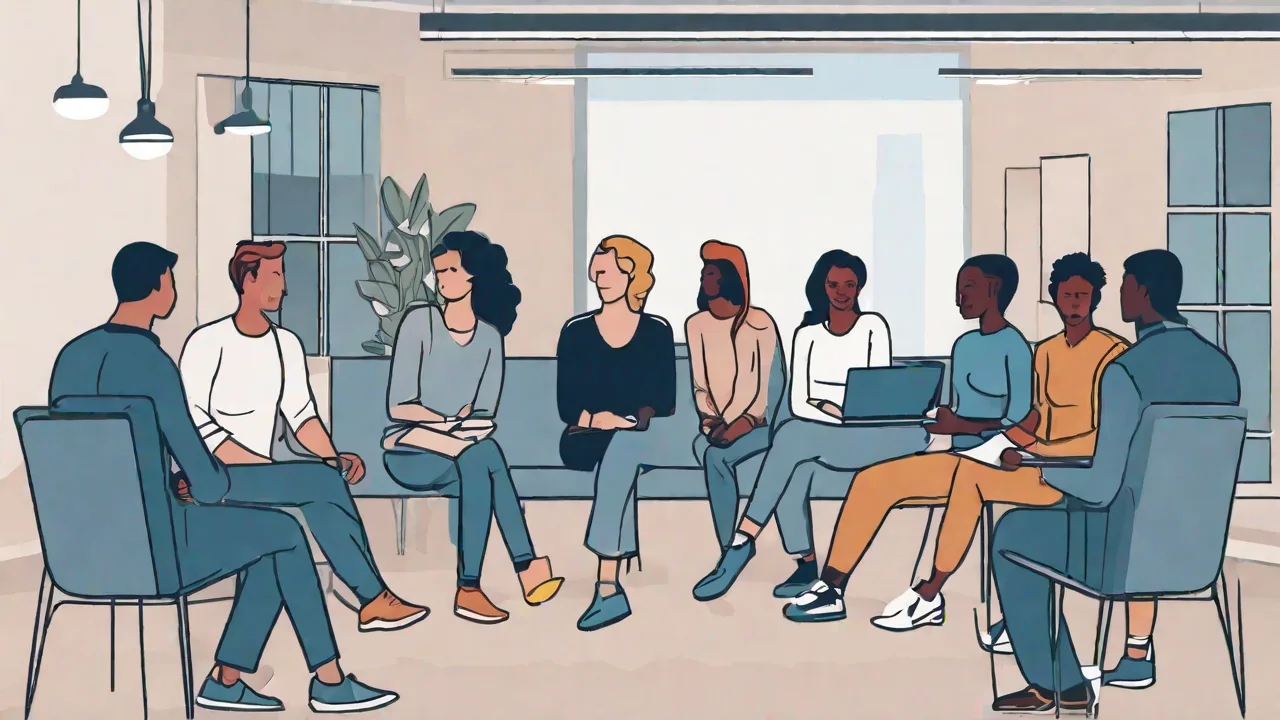
Learning is fundamentally social. While individual study and reflection are important, interaction with others accelerates learning through exposure to diverse perspectives, collaborative problem-solving, and mutual encouragement during challenging periods.
Cultivate relationships with people who support your learning goals. This might include formal mentors who provide guidance and expertise, peers who share your learning journey and can offer mutual support, and even individuals who challenge your thinking and push you beyond your comfort zone.
Join or create learning communities focused on shared interests or goals. Book clubs, study groups, professional associations, and online communities all provide structures for sustained engagement with material and regular interaction with fellow learners. The accountability and social connection these groups provide often sustain motivation when individual willpower flags.
Seek out diverse perspectives within your learning community. Homogeneous groups can create echo chambers where assumptions go unchallenged and thinking becomes stagnant. Diversity—of background, expertise, perspective, and approach—enriches learning by introducing ideas and viewpoints you wouldn’t generate independently.
Establishing Productive Routines and Rituals
Consistent routines reduce the cognitive load associated with decision-making, freeing mental resources for actual learning. By establishing regular times and places for learning activities, you create automatic triggers that support sustained engagement without requiring constant willpower.
Design your daily schedule to align with your natural energy rhythms. Most people experience peak cognitive performance during specific times of day—often morning or late afternoon. Schedule your most demanding learning activities during these high-energy periods, reserving lower-energy times for review, organization, or less cognitively demanding tasks.
Build in regular breaks and transitions. Research on attention and learning consistently shows that sustained focus without breaks leads to diminishing returns. Techniques like the Pomodoro method—focused work periods followed by short breaks—help maintain concentration and prevent mental fatigue.
Create rituals that signal the beginning and end of learning sessions. This might be as simple as making a cup of tea before studying or taking a brief walk after completing a work session. These rituals help your brain transition between different modes of activity and create psychological boundaries that protect learning time.
Promoting Psychological Safety
Psychological safety—the belief that you can take risks, ask questions, and make mistakes without fear of judgment or punishment—is essential for deep learning. In psychologically safe environments, people engage more fully, take intellectual risks, and share ideas that might otherwise remain unexpressed.
If you’re creating learning environments for others, explicitly communicate that questions are valued, mistakes are expected, and diverse perspectives are welcome. Model this yourself by asking questions, acknowledging your own uncertainties, and responding constructively to errors.
Respond to mistakes and failures with curiosity rather than judgment. When someone makes an error, focus on understanding what happened and what can be learned rather than assigning blame. This approach encourages honest reflection and reduces the defensive reactions that block learning.
Celebrate effort and progress, not just outcomes. Recognizing the process of learning—the questions asked, strategies tried, and persistence demonstrated—reinforces the behaviors that lead to growth. This is particularly important when outcomes fall short of goals, as it maintains motivation during challenging periods.
Providing Access to Diverse Resources
Rich learning environments offer access to varied materials, tools, and information sources. This diversity enables learners to find resources that match their learning styles, interests, and current needs while exposing them to new formats and perspectives.
Curate a collection of high-quality learning resources across different formats. Books, articles, videos, podcasts, interactive simulations, and hands-on materials each offer unique advantages. Some concepts are best understood through reading, others through visual demonstration, and still others through direct experience.
Leverage technology to expand access to learning resources. Online courses, digital libraries, educational apps, and virtual communities make world-class educational content available to anyone with internet access. Take advantage of these resources to supplement formal education and pursue interests that might not be available locally.
Don’t overlook the value of primary sources and direct experience. While secondary sources like textbooks and articles provide efficient summaries, engaging with original research, historical documents, or hands-on experimentation often leads to deeper understanding and greater engagement.
Encouraging Reflection and Metacognition
Learning about learning—metacognition—is one of the most powerful tools for improving educational outcomes. Environments that build in time and structures for reflection help learners develop awareness of their own thinking processes, strengths, challenges, and effective strategies.
Create regular opportunities for reflection on learning experiences. This might take the form of journaling, discussion with peers or mentors, or structured self-assessment. Key questions include: What did I learn? What strategies worked well? What was challenging? How can I apply this knowledge? What questions remain?
Teach and model metacognitive strategies explicitly. Many learners never develop effective study skills or learning strategies because these are rarely taught directly. Sharing techniques for note-taking, memory consolidation, problem-solving, and self-monitoring helps learners develop their own effective approaches.
Use assessment as a learning tool rather than merely an evaluation mechanism. Formative assessments—low-stakes opportunities to demonstrate understanding and receive feedback—help learners identify gaps in knowledge and adjust their approach. This contrasts with purely summative assessments that evaluate learning after the fact without providing opportunities for improvement.
Overcoming Common Obstacles to Learning
Even with strong motivation and effective strategies, learners inevitably encounter obstacles that threaten progress. Understanding common challenges and developing approaches to address them increases resilience and sustains momentum through difficult periods.
Managing Fear of Failure
Fear of failure is perhaps the most pervasive obstacle to learning. This fear manifests in various ways: procrastination, perfectionism, avoidance of challenges, and anxiety about evaluation. While some concern about performance is natural, excessive fear becomes paralyzing and prevents the risk-taking necessary for growth.
Reframe failure as feedback rather than judgment. Every unsuccessful attempt provides information about what doesn’t work, bringing you closer to approaches that do. This perspective shift—from failure as verdict to failure as data—reduces the emotional charge associated with setbacks.
Start with low-stakes challenges where failure has minimal consequences. This allows you to practice taking risks and recovering from setbacks in relatively safe contexts. As your confidence grows, gradually increase the stakes and complexity of challenges you undertake.
Separate your identity from your performance. You are not your test score, your project outcome, or your current skill level. These are temporary snapshots of your current capabilities, not permanent statements about your worth or potential. Maintaining this distinction protects self-esteem while allowing honest assessment of performance.
Combating Procrastination
Procrastination—the tendency to delay important tasks despite knowing the delay will have negative consequences—plagues learners at all levels. While often attributed to laziness, procrastination typically stems from anxiety, perfectionism, or unclear goals rather than lack of motivation.
Break large, intimidating tasks into smaller, manageable steps. The prospect of “writing a research paper” can feel overwhelming, but “spend 20 minutes outlining the introduction” feels achievable. This chunking strategy reduces anxiety and creates clear starting points.
Use implementation intentions—specific plans that link situations to actions. Rather than vague goals like “I’ll study more,” create specific commitments: “After dinner on Tuesday, I’ll review my chemistry notes for 30 minutes.” This specificity increases follow-through by removing ambiguity about when and how to act.
Address the underlying emotions driving procrastination. If anxiety about performance is the issue, practice anxiety-management techniques. If perfectionism is the culprit, deliberately produce “good enough” work to challenge unrealistic standards. Understanding the root cause enables more effective intervention.
Dealing with Information Overload
In the digital age, the challenge often isn’t accessing information but managing the overwhelming volume available. Information overload can lead to paralysis, superficial engagement, and difficulty distinguishing important from trivial content.
Develop strong filtering and prioritization skills. Not all information is equally valuable or relevant to your goals. Learn to quickly assess the quality and relevance of sources, focusing your attention on high-value material rather than trying to consume everything.
Practice deep engagement with fewer sources rather than superficial engagement with many. Reading one excellent book thoroughly provides more value than skimming ten mediocre ones. This depth-over-breadth approach leads to better retention and understanding.
Create systems for capturing and organizing information. Whether using digital tools like note-taking apps or analog methods like index cards, having a reliable system for storing insights and ideas prevents the anxiety of trying to remember everything. This external memory system frees cognitive resources for thinking rather than storage.
Maintaining Motivation Over Time
Initial enthusiasm for learning projects often fades as the reality of sustained effort sets in. Maintaining motivation through the inevitable plateaus and challenges requires deliberate strategies and realistic expectations.
Connect learning activities to meaningful goals and values. When you understand why something matters—how it connects to your larger aspirations or contributes to something you care about—motivation becomes more sustainable. This intrinsic motivation proves more durable than external rewards or pressure.
Track and celebrate progress. Visible evidence of improvement sustains motivation during challenging periods. Keep records of what you’ve learned, skills you’ve developed, or problems you can now solve that were previously beyond your capabilities. Reviewing this progress reminds you that effort yields results.
Build in variety and novelty. Monotony erodes motivation, while variety maintains engagement. Vary your learning activities, explore different aspects of a subject, or alternate between different projects. This variation prevents boredom while still maintaining forward progress.
Expect and plan for motivation fluctuations. Motivation naturally waxes and wanes—this is normal, not a sign of failure. During low-motivation periods, rely on routines and systems rather than willpower. Having established habits and structures carries you through times when enthusiasm alone wouldn’t suffice.
Addressing Time Constraints
Busy schedules and competing demands make finding time for learning one of the most common challenges. While time constraints are real, they’re often more flexible than they initially appear, and small pockets of time can be surprisingly productive.
Audit your time use honestly. Track how you actually spend time for a week, noting activities and their duration. This often reveals discretionary time that could be redirected toward learning—time spent on social media, television, or other activities that don’t align with your priorities.
Embrace micro-learning opportunities. Five or ten minutes can be sufficient for reviewing flashcards, reading an article, watching an educational video, or practicing a skill. These small sessions accumulate into significant learning over time. Keep learning materials readily accessible so you can take advantage of unexpected free moments.
Integrate learning into existing activities. Listen to educational podcasts during commutes, practice language skills while exercising, or discuss interesting ideas with family during meals. This integration allows learning to happen alongside rather than instead of other activities.
Protect dedicated learning time by treating it as non-negotiable. Schedule learning sessions like important appointments, and defend this time against competing demands. Communicating your learning goals to others helps them understand and respect your need for focused time.
Advanced Strategies for Accelerated Learning
Once you’ve established fundamental learning habits and mindsets, advanced strategies can further enhance the efficiency and effectiveness of your learning efforts. These evidence-based techniques leverage insights from cognitive science to optimize how you acquire, retain, and apply knowledge.
Spaced Repetition and Distributed Practice
One of the most robust findings in learning science is the spacing effect—the phenomenon that information reviewed at increasing intervals is retained better than information studied in massed sessions. Spaced repetition systems leverage this effect to optimize long-term retention.
Rather than cramming information in a single intensive session, distribute your practice over multiple sessions separated by increasing intervals. Review new material after one day, then three days, then a week, then two weeks, and so on. This pattern of expanding intervals maximizes retention while minimizing total study time.
Digital tools like Anki, SuperMemo, or Quizlet can automate the scheduling of spaced repetition, presenting material for review at optimal intervals based on your performance. These systems are particularly effective for learning facts, vocabulary, formulas, and other discrete pieces of information.
The principle of distributed practice applies beyond memorization. Skill development also benefits from spacing. Rather than practicing a skill intensively for hours in a single session, shorter practice sessions distributed over days or weeks lead to better long-term performance.
Interleaving Different Topics
Interleaving—mixing different topics or types of problems during study sessions—initially feels less efficient than blocked practice (focusing on one topic at a time) but leads to better long-term learning and transfer. This technique strengthens your ability to discriminate between different types of problems and select appropriate strategies.
Instead of studying all of one topic before moving to the next, alternate between related topics within a single study session. For example, when studying mathematics, mix problems from different chapters rather than completing all problems from one chapter before moving to the next.
Interleaving works because it requires you to actively retrieve and apply the appropriate approach for each problem rather than simply repeating the same procedure. This additional cognitive effort during practice translates to better performance when you encounter problems in unpredictable orders—as happens in real-world applications and exams.
The technique can feel frustrating because it makes practice seem harder and progress less obvious. Trust the research: the difficulty is desirable, leading to stronger learning even though it feels less smooth in the moment.
Elaborative Interrogation and Self-Explanation
Passive reading or listening rarely leads to deep understanding. Active engagement with material—questioning, explaining, and connecting—dramatically improves comprehension and retention. Elaborative interrogation and self-explanation are two techniques that promote this active processing.
Elaborative interrogation involves asking “why” questions about the material you’re learning. Why is this true? Why does this work this way? Why is this important? Generating explanations for facts and concepts creates richer mental representations and stronger memory traces.
Self-explanation involves articulating your understanding of material in your own words. After reading a section or solving a problem, explain the concept or solution process to yourself (or an imaginary audience). This forces you to organize your understanding and reveals gaps in comprehension that passive reading might miss.
Both techniques work by encouraging you to connect new information to existing knowledge, creating a more integrated and accessible knowledge structure. The effort of generating explanations strengthens learning more effectively than simply reviewing provided explanations.
Retrieval Practice and Testing Effect
Testing yourself on material—retrieval practice—is one of the most effective learning strategies available, yet it’s often underutilized. The act of retrieving information from memory strengthens that memory more effectively than additional study of the same material.
Incorporate frequent self-testing into your learning routine. After studying material, close your notes and attempt to recall key concepts, facts, or procedures. This retrieval attempt, even if partially unsuccessful, enhances subsequent learning and retention.
Make retrieval practice challenging. Easy recall provides minimal benefit; struggling to retrieve information (while eventually succeeding) produces the strongest learning gains. Use techniques like free recall (writing everything you remember about a topic) or practice problems that require application rather than simple recognition.
Don’t fear mistakes during retrieval practice. Errors followed by corrective feedback are learning opportunities, not failures. The key is ensuring you receive feedback relatively soon after retrieval attempts so misconceptions don’t become entrenched.
Dual Coding and Visual Learning
Information encoded both verbally and visually is remembered better than information encoded in only one format. Dual coding theory suggests that creating visual representations of verbal information—or vice versa—creates multiple retrieval pathways and richer understanding.
When learning new material, create visual representations like diagrams, concept maps, flowcharts, or sketches. These visual tools help you organize information, identify relationships, and create memorable images associated with concepts.
Conversely, when presented with visual information, practice describing it verbally. Explain what a diagram shows, describe the relationships illustrated in a chart, or narrate the process depicted in an illustration. This verbal elaboration of visual information strengthens understanding and retention.
The quality of visual representations matters less than the process of creating them. Even simple sketches or rough diagrams provide benefits, as the act of translating information between formats requires deep processing that enhances learning.
Teaching Others
Few learning strategies are as effective as teaching material to someone else. The expectation that you’ll need to teach forces you to organize information clearly, identify core concepts, anticipate questions, and develop explanations—all activities that deepen your own understanding.
Seek opportunities to explain concepts to peers, mentor less experienced learners, or create educational content like blog posts or videos. Even imagining that you’ll teach material (without actually doing so) can enhance learning by encouraging more thorough processing.
Teaching reveals gaps in understanding that passive study might miss. When you struggle to explain something clearly or answer a question, you’ve identified an area requiring additional study. This immediate feedback helps direct your learning efforts efficiently.
The benefits of teaching extend beyond content mastery. Explaining concepts to others develops communication skills, builds confidence, and often generates new insights as you consider material from different angles or respond to unexpected questions.
Applying Learning Mindsets Across Life Domains
The principles of growth mindset, curiosity, and flexibility extend far beyond formal education. These approaches to learning and development apply equally to professional growth, personal relationships, creative pursuits, and physical skills. Understanding how to adapt these principles to different contexts maximizes their impact.
Professional Development and Career Growth
The modern workplace demands continuous learning. Technological change, evolving best practices, and shifting market conditions mean that the skills valuable today may be obsolete tomorrow. Professionals who embrace learning mindsets position themselves for long-term success and satisfaction.
Approach your career with a growth orientation. View challenges and stretch assignments as opportunities to develop new capabilities rather than threats to your competence. Seek feedback actively, even when it’s uncomfortable, recognizing that honest input accelerates improvement.
Invest in continuous skill development. Dedicate time to learning new technologies, methodologies, or domain knowledge relevant to your field. This might involve formal courses, self-directed study, or learning through project work. The specific approach matters less than the commitment to ongoing growth.
Cultivate a diverse professional network that exposes you to different perspectives and approaches. Colleagues from different industries, functions, or backgrounds can provide insights that homogeneous networks miss. These diverse connections become sources of learning and inspiration throughout your career.
Don’t limit learning to technical skills. Developing capabilities in communication, leadership, emotional intelligence, and strategic thinking often differentiates highly successful professionals from merely competent ones. These “soft skills” are increasingly recognized as crucial for career advancement and effectiveness.
Personal Relationships and Social Learning
Growth mindsets apply to relationships as powerfully as to academic or professional domains. Viewing relationships as opportunities for mutual growth rather than static arrangements transforms how you engage with others and navigate interpersonal challenges.
Approach conflicts and disagreements with curiosity rather than defensiveness. What can you learn about the other person’s perspective? What might they understand that you don’t? This learning orientation doesn’t mean abandoning your own views, but it does mean remaining open to influence and growth.
Recognize that people change and develop over time. The person you knew five years ago has had countless experiences and learning opportunities since then. Remaining curious about who people are becoming, rather than fixating on who they were, keeps relationships dynamic and growing.
Practice empathy as a learning tool. Genuinely trying to understand others’ experiences, motivations, and perspectives expands your understanding of human nature and challenges your assumptions. This emotional and social learning enriches your life as much as intellectual learning.
Creative Pursuits and Artistic Development
Creativity thrives on the same principles that support learning: curiosity, experimentation, tolerance for failure, and persistent effort. Whether you’re pursuing art, music, writing, or any other creative endeavor, growth mindsets enable development and innovation.
Embrace the beginner’s mindset in creative work. Allow yourself to experiment, make mistakes, and create work that doesn’t meet your standards. This permission to be imperfect while learning is essential for creative development. Many people abandon creative pursuits because they expect immediate mastery rather than accepting the necessary period of incompetence.
Study the work of accomplished creators in your field, but focus on their process and development rather than just their finished products. Understanding how masters developed their skills over years or decades provides realistic expectations and inspiration for your own journey.
Seek constructive feedback on your creative work. While creativity is personal, external perspectives help you see your work more objectively and identify areas for growth. Develop relationships with mentors, peers, or communities who can provide honest, supportive feedback.
Physical Skills and Athletic Performance
Physical learning—whether sports, dance, martial arts, or other movement-based skills—demonstrates the principles of growth mindset in tangible ways. The body’s capacity for adaptation mirrors the brain’s neuroplasticity, and the same learning principles apply.
Approach physical training with patience and long-term perspective. Skill development requires consistent practice over extended periods. Expecting rapid progress leads to frustration, while accepting gradual improvement sustains motivation through plateaus.
Focus on process goals (practicing specific techniques, maintaining consistent training) rather than only outcome goals (winning competitions, achieving specific performance levels). Process goals remain within your control and provide daily direction, while outcome goals depend partly on factors beyond your control.
Learn from your body’s feedback. Pain, fatigue, and difficulty are information about what’s working and what needs adjustment. This mindful attention to physical sensations guides effective training and prevents injury.
Health and Wellness
Applying learning mindsets to health and wellness transforms these from areas of guilt and frustration into opportunities for experimentation and growth. Rather than viewing health behaviors as moral imperatives you’re failing to meet, approach them as skills you’re developing.
Experiment with different approaches to nutrition, exercise, sleep, and stress management. What works for others may not work for you, and what worked in the past may not work now. This experimental mindset encourages persistence through setbacks as you discover what supports your wellbeing.
Track your experiences and outcomes to learn what affects your health and energy. This data-driven approach helps you identify patterns and make informed adjustments. You become a scientist studying your own physiology and psychology.
Extend compassion to yourself when health goals prove challenging. Berating yourself for perceived failures activates stress responses that actually undermine health. Self-compassion, in contrast, supports the psychological safety necessary for sustained behavior change.
The Role of Technology in Learning
Digital tools and platforms have transformed access to information and learning opportunities. Understanding how to leverage technology effectively while avoiding its pitfalls enables you to harness its power for accelerated learning and development.
Online Learning Platforms and Resources
The proliferation of online courses, tutorials, and educational content has democratized access to high-quality instruction. Platforms like Coursera, edX, Khan Academy, and countless others offer courses from leading institutions and experts, often for free or at minimal cost.
These platforms enable learning at your own pace, on your own schedule, and according to your specific interests. You can explore subjects unavailable in your local area, learn from world-class instructors, and access resources that would have been impossible to obtain just decades ago.
However, online learning requires strong self-regulation and motivation. Without the structure of traditional classrooms and the accountability of in-person instruction, many learners struggle to complete online courses. Success requires treating online learning with the same seriousness as formal education—scheduling dedicated time, completing assignments, and engaging actively with material.
Digital Tools for Organization and Productivity
Technology offers powerful tools for organizing information, managing projects, and tracking progress. Note-taking apps like Notion, Evernote, or Obsidian help you capture and organize insights. Task management systems like Todoist or Asana help you structure learning projects. Spaced repetition software optimizes memorization.
The key is finding tools that match your workflow and actually using them consistently. Tool proliferation—constantly switching between different apps or systems—often creates more confusion than clarity. Choose a small set of tools that serve your needs and invest time in mastering them.
Remember that tools are means, not ends. The goal isn’t to have the perfect productivity system but to learn effectively. Sometimes simple, low-tech approaches (paper notebooks, index cards) work better than sophisticated digital solutions. Choose tools based on what actually supports your learning, not what seems most impressive.
Social Media and Online Communities
Social media and online communities can support learning by connecting you with experts, peers, and resources worldwide. Twitter threads, Reddit communities, Discord servers, and specialized forums provide spaces for discussion, question-asking, and knowledge sharing.
Curate your social media feeds intentionally to support learning goals. Follow experts in fields you’re interested in, join groups focused on topics you’re studying, and participate in discussions that challenge and expand your thinking. Social media can be a powerful learning tool when used deliberately.
However, social media also presents significant risks to learning. Endless scrolling, algorithmic manipulation, and the dopamine-driven design of these platforms can fragment attention and waste time. Set clear boundaries around social media use—specific times, purposes, and duration limits—to harness benefits while minimizing costs.
Artificial Intelligence and Personalized Learning
AI-powered tools are increasingly capable of providing personalized learning experiences, adapting to individual needs, pace, and learning styles. Language learning apps use AI to customize lessons, tutoring systems provide individualized feedback, and AI assistants can answer questions and explain concepts.
These tools offer unprecedented opportunities for personalized instruction at scale. They can identify knowledge gaps, adjust difficulty levels, and provide immediate feedback—all factors that enhance learning effectiveness. As AI capabilities continue advancing, these personalized learning experiences will become increasingly sophisticated.
However, AI tools should complement rather than replace human instruction and interaction. The social and emotional dimensions of learning—motivation, encouragement, nuanced feedback, and relationship—remain areas where human teachers and mentors excel. The most effective learning often combines AI-powered personalization with human guidance and support.
Managing Digital Distractions
Perhaps the greatest challenge technology poses to learning is distraction. Smartphones, notifications, and the constant availability of entertainment compete for attention with learning activities. Developing strategies to manage these distractions is essential for effective learning in the digital age.
Create technology-free zones and times dedicated to focused learning. Turn off notifications, put devices in another room, or use apps that block distracting websites during study sessions. These environmental modifications reduce temptation and support sustained attention.
Practice single-tasking rather than multitasking. Research consistently shows that attempting to do multiple things simultaneously reduces performance on all tasks. When learning, commit fully to that activity rather than dividing attention between learning and other activities.
Develop awareness of your technology use patterns. Notice when you reflexively reach for your phone or open social media. This mindful awareness is the first step toward changing habitual behaviors that undermine learning.
Measuring Progress and Celebrating Growth
Tracking your learning journey and recognizing progress sustains motivation and provides valuable feedback about what’s working. However, how you measure and celebrate growth significantly impacts your mindset and long-term development.
Defining Meaningful Metrics
Not all measures of learning are equally valuable. Grades, test scores, and certifications provide external validation but don’t always reflect deep understanding or practical capability. Developing your own metrics for progress helps you focus on what truly matters.
Consider measuring learning through capability rather than just knowledge. Can you solve problems you couldn’t solve before? Can you create things you couldn’t create previously? Can you explain concepts to others effectively? These practical demonstrations of learning often provide more meaningful feedback than abstract scores.
Track process metrics alongside outcome metrics. How consistently are you practicing? How many hours are you dedicating to learning? How many questions are you asking? These process measures remain within your control and often predict long-term outcomes better than short-term results.
Use multiple measures rather than relying on a single indicator. Different assessments capture different aspects of learning. Combining self-assessment, external feedback, practical application, and formal evaluation provides a more complete picture of your development.
Keeping Learning Journals
Maintaining a learning journal provides a record of your journey, insights gained, challenges overcome, and questions explored. This practice supports both metacognition and motivation by making learning visible and concrete.
Record not just what you learned but how you learned it. What strategies proved effective? What obstacles did you encounter? What would you do differently next time? This reflection on process enhances your ability to learn how to learn.
Periodically review past journal entries to recognize progress. What seemed impossibly difficult months ago may now feel routine. This tangible evidence of growth provides powerful motivation during challenging periods when progress feels slow.
Use your journal to track questions and curiosities. Not every question needs immediate answers; some are worth sitting with and exploring over time. A running list of interesting questions provides direction for future learning and captures the curiosity that drives exploration.
Celebrating Milestones and Progress
Recognition and celebration of progress reinforces learning behaviors and sustains motivation. However, what you celebrate matters. Focusing exclusively on outcomes can undermine growth mindset, while celebrating effort and process reinforces the behaviors that lead to long-term development.
Acknowledge both major milestones and small wins. Completing a course or mastering a complex skill deserves celebration, but so does maintaining a consistent practice schedule, asking a great question, or persisting through a difficult challenge. These smaller victories accumulate into significant growth.
Share your learning journey with others. Discussing what you’re learning, challenges you’re facing, and progress you’re making creates accountability and often generates valuable feedback and encouragement. This social dimension of learning enhances both motivation and outcomes.
Reward yourself for sustained effort and progress. These rewards need not be elaborate—a favorite meal, an evening off, or time spent on a hobby can all serve as meaningful recognition of your commitment to learning. The key is creating positive associations with learning activities.
Adjusting Course Based on Feedback
Progress tracking isn’t just about feeling good—it’s also about gathering information to guide adjustments. When progress stalls or strategies prove ineffective, this feedback signals the need for change.
Regularly assess whether your learning approaches are working. Are you retaining information? Can you apply what you’re learning? Are you maintaining motivation? Honest answers to these questions help you identify what needs adjustment.
Be willing to experiment with different strategies when current approaches aren’t working. The learning techniques that work for others may not work for you, and what worked in one context may not work in another. This experimental mindset treats learning itself as a learning process.
Seek external feedback to complement self-assessment. Others often notice patterns and possibilities you miss. Teachers, mentors, peers, and even AI tools can provide perspectives that help you refine your approach and accelerate progress.
Sustaining Learning Throughout Life
The ultimate goal isn’t just to learn specific skills or knowledge but to develop a sustainable practice of lifelong learning. This requires building habits, mindsets, and systems that support continuous growth across decades, not just months or years.
Developing Learning as a Core Identity
When learning becomes part of your identity—who you are rather than just what you do—it becomes self-sustaining. People who see themselves as learners naturally seek out new experiences, ask questions, and pursue growth opportunities.
Reflect on how learning fits into your sense of self. Do you see yourself as someone who is curious, who grows, who embraces challenges? Strengthening this identity makes learning behaviors feel natural rather than forced.
Surround yourself with other learners. The people you spend time with shape your identity and behaviors. Communities of learners reinforce the value of curiosity, growth, and continuous development, making these qualities feel normal and desirable.
Tell stories about your learning journey. The narratives we construct about ourselves shape our identity and future behavior. Framing your life story as one of continuous learning and growth reinforces this identity and guides future choices.
Balancing Depth and Breadth
Lifelong learners face a perpetual tension between developing deep expertise in specific areas and maintaining broad knowledge across multiple domains. Both depth and breadth offer distinct advantages, and the optimal balance depends on your goals and circumstances.
Deep expertise enables significant contributions to a field, mastery of complex skills, and the satisfaction of true proficiency. It requires sustained focus over years or decades, resisting the temptation to constantly pursue new interests.
Broad knowledge across multiple domains enhances creativity, enables interdisciplinary thinking, and provides flexibility in a changing world. It requires curiosity about diverse subjects and willingness to remain a perpetual beginner in new areas.
Most successful learners develop a T-shaped profile: deep expertise in one or two areas combined with broad familiarity across many domains. This combination provides both the depth to make meaningful contributions and the breadth to connect ideas across fields.
Adapting to Different Life Stages
Learning needs and opportunities change across the lifespan. Strategies effective in youth may not work in middle age, and priorities shift as circumstances evolve. Successful lifelong learners adapt their approaches to match their current life stage.
In early adulthood, learning often focuses on career preparation and skill development. This period typically offers more time and energy for intensive study, making it ideal for building foundational knowledge and capabilities.
Middle adulthood brings competing demands from career and family, requiring more efficient learning strategies and integration of learning into daily life. This period often emphasizes practical application and learning through experience rather than formal study.
Later adulthood offers opportunities to pursue learning for its own sake, freed from career pressures. This period can be remarkably productive for learning, as accumulated experience provides context and wisdom that enhances understanding.
Regardless of life stage, maintaining cognitive engagement through learning supports brain health and life satisfaction. Lifelong learning plays a key role in cognitive fitness by strengthening neural connections and enhancing cognitive reserve—the brain’s ability to maintain function despite aging or disease. This reserve builds over time through education, career experiences, and mentally engaging activities.
Finding Joy in the Learning Process
Ultimately, sustainable learning requires finding intrinsic satisfaction in the process itself, not just the outcomes. When learning becomes a source of joy rather than merely a means to an end, it becomes self-reinforcing and sustainable.
Cultivate appreciation for the experience of understanding something new, the satisfaction of solving a difficult problem, or the pleasure of connecting previously separate ideas. These intrinsic rewards sustain learning when external motivations fade.
Choose learning activities that genuinely interest you, at least some of the time. While not every learning task can be intrinsically motivating, ensuring that some of your learning pursuits align with genuine curiosity makes the overall journey more enjoyable.
Remember that learning is fundamentally human. Our brains evolved to learn, our cultures transmit knowledge across generations, and our greatest achievements stem from accumulated learning. Embracing learning connects you to this fundamental aspect of human nature and potential.
Conclusion: Embracing the Journey of Continuous Growth
Developing a mindset for learning is not a destination but an ongoing journey. It requires cultivating curiosity that drives exploration, flexibility that enables adaptation, and resilience that sustains effort through challenges. The strategies and principles outlined in this guide provide a roadmap, but the journey itself is uniquely yours.
The growth mindset creates a powerful passion for learning, transforming how you approach challenges, setbacks, and opportunities throughout life. By understanding the science of neuroplasticity, you recognize that your brain is designed to grow and change in response to experience. This knowledge empowers you to take ownership of your development rather than accepting limitations as fixed.
The practical strategies for boosting curiosity—questioning, exploring diverse topics, engaging in meaningful discussions, and practicing mindful awareness—transform learning from a chore into an adventure. Similarly, developing flexibility through open-mindedness, adaptive problem-solving, and comfort with ambiguity prepares you to thrive in an uncertain and rapidly changing world.
Creating environments that support learning, whether physical spaces, social networks, or daily routines, amplifies the effectiveness of individual efforts. These supportive contexts make learning easier and more sustainable, reducing the willpower required to maintain consistent practice.
Advanced learning strategies like spaced repetition, interleaving, retrieval practice, and teaching others leverage cognitive science to accelerate acquisition and retention. These evidence-based techniques provide concrete tools for improving learning efficiency across all domains.
Perhaps most importantly, applying learning mindsets across all areas of life—professional development, relationships, creative pursuits, physical skills, and health—creates a unified approach to growth that enriches every dimension of experience. Learning becomes not just something you do but who you are.
The challenges you’ll face—fear of failure, procrastination, information overload, motivation fluctuations, and time constraints—are universal. Understanding these obstacles and developing strategies to address them prepares you for the inevitable difficulties of sustained learning. Remember that setbacks are not failures but opportunities to learn about learning itself.
As you continue your learning journey, remain patient with yourself. Growth takes time, and progress is rarely linear. Celebrate small wins, learn from setbacks, and maintain perspective on how far you’ve come. The person you’ll become through committed learning—more capable, more understanding, more adaptable—makes the effort worthwhile.
In a world of constant change, the ability to learn continuously is perhaps the most valuable skill you can develop. It provides security in uncertain times, enables contribution to meaningful work, and offers the deep satisfaction of ongoing growth and discovery. By embracing a mindset for learning, you position yourself not just to survive but to thrive in whatever future unfolds.
The journey of learning never truly ends. There will always be more to discover, understand, and master. This inexhaustibility is not a burden but a gift—an endless source of engagement, growth, and wonder. Embrace it with curiosity, approach it with flexibility, and pursue it with the confidence that your capacity for growth is far greater than you imagine.