Table of Contents
Work-related stress has reached unprecedented levels in modern workplaces, affecting millions of employees across all industries and sectors. According to 2024’s Gallup data, nearly half (49%) of American and Canadian workers report experiencing work-related stress daily, while over 80% of employees are at risk of experiencing burnout in 2025, while stress costs the U.S. economy around $300 billion per year. Understanding how to manage this stress effectively through evidence-based techniques is no longer optional—it’s essential for maintaining both individual well-being and organizational productivity. This comprehensive guide explores scientifically validated strategies that can help you cope with workplace stress, enhance your resilience, and improve your overall quality of life.
The Current State of Workplace Stress: Understanding the Crisis
Alarming Statistics That Demand Attention
The workplace stress epidemic has intensified dramatically in recent years, with research revealing troubling trends across demographics and industries. Wellhub’s State of Work-Life Wellness 2024 report found that 83% of workers report losing sleep over work stress, highlighting how professional pressures infiltrate every aspect of employees’ lives. The impact extends far beyond temporary discomfort—chronic job stress contributes to around 120,000 deaths each year in the United States, primarily driven by cardiovascular disease, burnout, and decline in mental health.
In 2024, 52% of employees reported experiencing burnout in the past year as a direct result of their jobs, representing a significant portion of the workforce struggling with chronic exhaustion and disengagement. The situation appears particularly acute among younger workers, with 43% of Millennials and 44% of Gen Z workers having recently left a job as a direct result of burnout. This generational pattern suggests that traditional workplace structures may be increasingly incompatible with modern expectations around work-life integration.
The financial implications are staggering. It’s estimated that job stress costs U.S. employers more than $300 billion a year in absenteeism, turnover, diminished productivity, and medical, legal, and insurance costs. These costs ripple through organizations, affecting everything from healthcare premiums to customer satisfaction and innovation capacity.
Who Is Most Affected by Workplace Stress?
Workplace stress does not affect all employees equally. Research reveals significant disparities across age groups, with 48% of workers aged 18-25, 51% aged 26-43, and 42% aged 44-57 reported feeling tense or stressed at work, while only 30% of workers aged 58-64 and 17% of those aged 65+ reported the same. This pattern suggests that mid-career professionals face particularly intense pressure, likely due to competing demands from career advancement, family responsibilities, and financial obligations.
Gender differences also play a significant role. Workplace stress disproportionately affects women, likely due to factors like the gender pay gap, caregiving responsibilities, and workplace biases. Additionally, women, LGBTQ+ community members, people with disabilities, and deskless workers have significantly higher burnout rates, up to 26% higher than the average, pointing to systemic inequities that compound stress for marginalized groups.
The role of management cannot be overstated. According to the data, employees in companies with ineffective management practices are nearly 60% more likely to experience stress than in environments with effective management practices. This finding underscores that workplace stress is not merely an individual problem requiring personal coping strategies—it’s fundamentally shaped by organizational culture and leadership quality.
Recognizing the Signs and Symptoms of Work-Related Stress
Physical Manifestations of Chronic Stress
Work-related stress manifests in numerous physical symptoms that can significantly impact your health and daily functioning. Common physical indicators include persistent fatigue and exhaustion that doesn’t improve with rest, frequent headaches or migraines, gastrointestinal issues such as stomach pain or digestive problems, and muscle tension particularly in the neck, shoulders, and back. Many stressed employees also experience changes in appetite, either eating significantly more or less than usual, and may notice increased susceptibility to colds and infections due to compromised immune function.
Sleep disturbances represent one of the most pervasive physical symptoms. About 78% of Americans reported losing sleep at night due to financial worries, and 65% can’t sleep due to work-related stress. This creates a vicious cycle where inadequate sleep further reduces your capacity to manage stress, leading to deteriorating performance and increased anxiety about work responsibilities.
Cardiovascular symptoms also warrant attention. Some individuals experience elevated blood pressure, heart palpitations, or chest tightness when under chronic work stress. These symptoms should never be ignored, as they may indicate serious health risks requiring medical evaluation. The connection between workplace stress and cardiovascular disease is well-established in medical literature, making early intervention crucial.
Psychological and Emotional Warning Signs
The psychological impact of work-related stress can be equally debilitating. Difficulty concentrating and making decisions becomes increasingly common as stress levels rise. According to the American Institute of Stress, 26% of U.S. workers report low energy or motivation, 21% experience decreased concentration, and 18% note reduced productivity. This cognitive fog makes even routine tasks feel overwhelming and can create a sense of inadequacy that further compounds stress.
Emotional symptoms include increased irritability and mood swings, feelings of being overwhelmed or unable to cope, persistent anxiety or worry about work even during off-hours, and a sense of cynicism or detachment from your job. In 2025, nearly 85% of workers reported experiencing burnout or exhaustion, and 47% were forced to take time off for mental health issues, demonstrating how widespread these psychological impacts have become.
Depression symptoms may also emerge, including loss of interest in activities you once enjoyed, feelings of hopelessness about your career or future, and persistent sadness or emptiness. When work stress triggers or exacerbates depression, professional mental health support becomes essential. The stigma around workplace mental health is gradually diminishing, but many employees still hesitate to seek help due to concerns about career repercussions.
Behavioral Changes and Social Impact
Behavioral changes often provide visible evidence of mounting stress. You might notice yourself withdrawing from colleagues, friends, or family members, or avoiding social interactions that you previously enjoyed. Procrastination and difficulty completing tasks on time may increase, even for responsibilities that were once manageable. Some individuals develop unhealthy coping mechanisms such as increased alcohol consumption, smoking, or excessive caffeine intake.
Changes in work performance represent another critical indicator. This might include missing deadlines, making more errors than usual, struggling to start or complete projects, or experiencing conflicts with coworkers or supervisors. Even more concerning, 44% of employees are actively considering leaving their jobs within the next six months due to stress, and 50% have discussed their stress with their manager or HR.
The impact on personal relationships can be profound. Work stress doesn’t stay at the office—it follows employees home, affecting their interactions with partners, children, and friends. Increased arguments, emotional unavailability, and reduced quality time with loved ones often result from the mental and emotional exhaustion caused by workplace pressures.
Primary Causes and Triggers of Workplace Stress
Workload and Time Pressure
Excessive workload consistently ranks as the leading cause of workplace stress across industries and job levels. In 2024, surveys confirmed that heavy workloads and tight deadlines remain the top two stressors, affecting over 40–46% of employees globally. When employees face more work than can reasonably be accomplished within standard working hours, they experience a constant sense of being behind, regardless of how efficiently they work or how many extra hours they invest.
Unrealistic expectations compound this problem. When managers or organizational cultures expect employees to consistently deliver exceptional results under impossible timelines, stress becomes inevitable. The pressure intensifies when there’s a mismatch between the resources provided and the outcomes expected, leaving employees feeling set up for failure regardless of their effort or skill level.
The “always-on” culture enabled by digital technology has blurred boundaries between work and personal time. Many employees feel obligated to respond to emails and messages outside regular working hours, creating a sense that they can never truly disconnect or recover from work demands. This constant connectivity prevents the psychological detachment necessary for stress recovery and restoration.
Management and Leadership Issues
The quality of management significantly influences employee stress levels. Poor leadership practices—including micromanagement, lack of clear communication, inconsistent expectations, and failure to provide adequate support—create environments where stress flourishes. Only 38% say their manager helps create a low-stress environment, yet those with supportive managers are 70% less likely to experience burnout.
Lack of autonomy and control over one’s work represents another major stressor. When employees have little input into how they accomplish their tasks, when they work, or how they prioritize competing demands, they experience higher stress levels. Employees with little control over their work report 2x higher stress, highlighting the importance of empowering workers with reasonable decision-making authority.
Recognition and appreciation—or the lack thereof—also play crucial roles. When employees feel their contributions go unnoticed or undervalued, motivation declines and stress increases. Burnout risk is 2.6x higher in employees who feel unfairly treated at work, demonstrating how perceptions of equity and recognition directly impact stress and engagement.
Job Insecurity and Economic Concerns
Economic uncertainty and job insecurity have emerged as particularly potent stressors in recent years. Job insecurity is having a significant impact on a majority of U.S. workers’ (54%) stress levels, according to APA’s 2025 Work in America™ survey. Concerns about layoffs, company restructuring, or economic downturns create persistent anxiety that undermines employees’ sense of stability and security.
Economic uncertainty was a significant factor in survey responses; more than two in five (44%) employed adults said they were concerned that an economic slump, downturn or recession would cause them to be laid off, furloughed or otherwise lose their jobs in the next 12 months. This fear affects not only job performance but also personal financial decisions, relationships, and overall well-being.
Technological change adds another layer of uncertainty. 1 in 3 workers worry about layoffs due to AI or automation, reflecting concerns that their skills may become obsolete or their positions eliminated. This anxiety is particularly acute among mid-career professionals who may face challenges in pivoting to new roles or industries.
Financial stress itself represents a major workplace distraction. 65% of employees cite financial stress as a major workplace distraction, as concerns about inflation, inadequate compensation, and cost of living make it difficult to focus on work responsibilities. When employees struggle to meet basic financial needs despite full-time employment, the resulting stress affects every aspect of their work experience.
Workplace Environment and Culture
The physical and social environment significantly impacts stress levels. Noise and lack of privacy in open offices increase stress for 60% of employees, demonstrating how workspace design affects well-being. Constant interruptions, lack of quiet spaces for focused work, and insufficient personal space can create chronic low-level stress that accumulates over time.
Toxic workplace cultures characterized by gossip, office politics, discrimination, or harassment create particularly harmful environments. 15% of workers described their workplace as somewhat or very toxic. In such settings, employees must navigate not only their job responsibilities but also interpersonal minefields that drain energy and create constant vigilance.
The social dynamics within teams also matter tremendously. 55% of workers say their coworkers’ stress impacts their own well-being, illustrating how stress can be contagious within work groups. When team members are overwhelmed, irritable, or disengaged, it affects the entire group’s morale and functioning, creating a downward spiral that’s difficult to reverse without intervention.
Evidence-Based Technique #1: Mindfulness Meditation for Workplace Stress
The Science Behind Mindfulness for Stress Reduction
Mindfulness meditation has emerged as one of the most rigorously studied and effective interventions for managing work-related stress. Mindfulness meditation may reduce work-related stress, as it seeks to encourage awareness of the present moment and promote self-regulation. Unlike many stress management techniques that focus on changing external circumstances, mindfulness works by transforming your relationship with stressful experiences, helping you respond more skillfully rather than reacting automatically.
Recent research provides compelling evidence for mindfulness’s effectiveness in workplace settings. In this randomized clinical trial of 1458 employees, those who received mindfulness meditation (vs waiting list control) had significant reductions in perceived stress at 8 weeks. The study found that those who received digital mindfulness meditation (versus a control group) felt greater satisfaction and engagement with their job months later, demonstrating both immediate and sustained benefits.
A comprehensive meta-analysis examining mindfulness programs across various workplace settings found robust effects. Analyses of between-group effects indicated that MBPs effectively reduce stress, burnout, mental distress, and somatic complaints, while improving mindfulness, well-being, compassion, and job satisfaction—all with small to large effect sizes. These findings suggest that mindfulness interventions produce meaningful improvements across multiple dimensions of employee well-being.
The mechanisms through which mindfulness reduces stress are becoming clearer. Research suggests that mindfulness may allow employees to perceive their job tasks less as a threat (i.e., with potential for negative consequences) and more as a challenge (i.e., with potential for benefits and opportunities for growth). This shift in appraisal—viewing stressors as manageable challenges rather than overwhelming threats—fundamentally changes the stress response and its impact on well-being.
Practical Mindfulness Techniques for the Workplace
Implementing mindfulness in your work routine doesn’t require extensive time commitments or special equipment. Start with brief, focused practices that can be integrated into your existing schedule. A basic mindfulness practice involves finding a quiet space where you can sit comfortably for just 5-10 minutes. Close your eyes and bring your attention to your breath, noticing the sensation of air moving in and out of your body. When your mind wanders to work concerns, deadlines, or other thoughts—which it inevitably will—simply notice this without judgment and gently return your attention to your breath.
Research indicates that consistency matters more than duration. Greater treatment adherence of at least five meditation minutes per day was associated with greater reductions in perceived stress. This finding is encouraging because it suggests that even brief daily practice can yield significant benefits, making mindfulness accessible even for those with demanding schedules.
Body scan meditation represents another valuable technique for workplace stress management. This practice involves systematically directing attention through different parts of your body, noticing any tension, discomfort, or sensations without trying to change them. Start at your feet and gradually move your awareness up through your legs, torso, arms, and head. This practice helps develop awareness of how stress manifests physically and can help you release tension you may not have consciously noticed.
Mindful breathing exercises can be practiced discreetly at your desk during stressful moments. Try the 4-7-8 technique: breathe in through your nose for a count of four, hold your breath for seven counts, then exhale completely through your mouth for eight counts. Repeat this cycle three to four times. This practice activates the parasympathetic nervous system, promoting relaxation and counteracting the stress response.
Digital Mindfulness Solutions and Apps
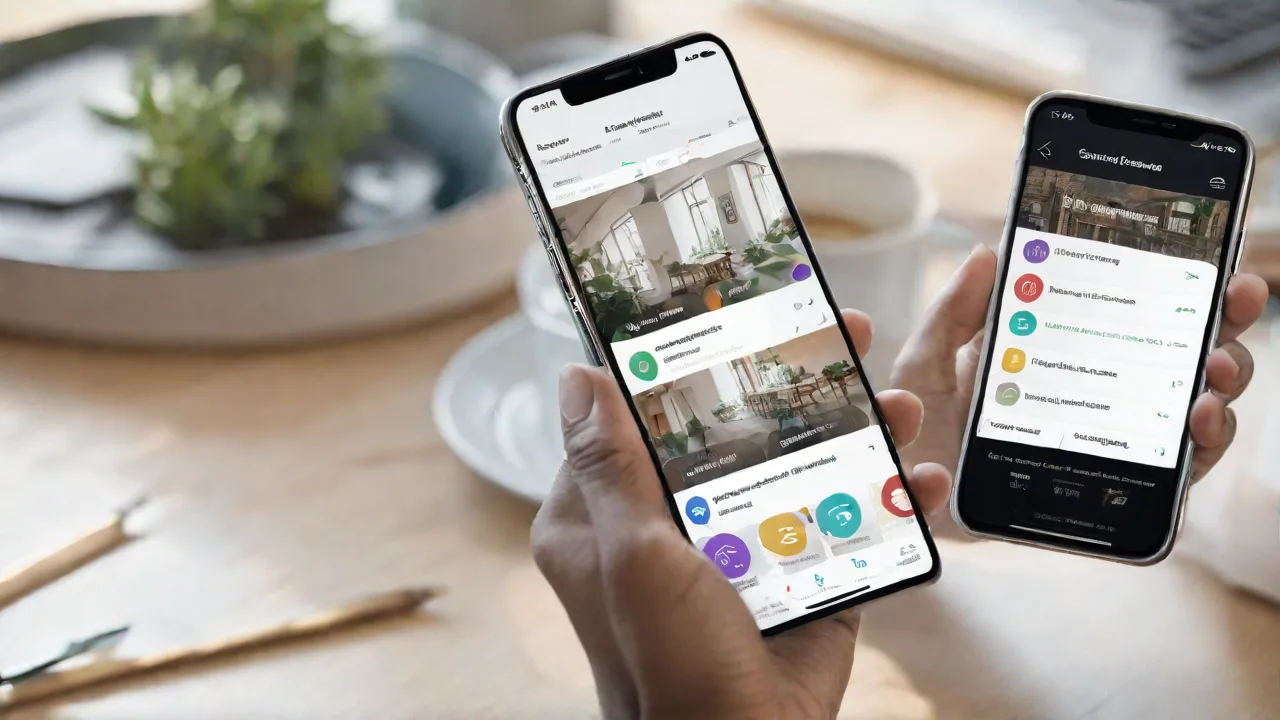
Technology has made mindfulness training more accessible than ever, with smartphone apps offering guided meditations that can be practiced anywhere, anytime. Mindfulness delivered via self-guided smartphone apps may offer convenient alternatives, with the benefit of standardization of instruction and participants controlling how they access treatment. This flexibility is particularly valuable for busy professionals who struggle to attend in-person classes or maintain rigid practice schedules.
Research on app-based mindfulness interventions has yielded promising results. This trial suggests that short guided mindfulness meditations delivered via smartphone and practiced multiple times per week can improve outcomes related to work stress and well-being, with potentially lasting effects. One study found that the intervention group reported significant improvement in well-being, distress, job strain, and perceptions of workplace social support compared to the control group.
Popular mindfulness apps include Headspace, Calm, Insight Timer, and Ten Percent Happier, each offering different features and approaches. Many provide workplace-specific content addressing common professional stressors like difficult conversations, deadline pressure, and work-life balance. Some organizations now offer subscriptions to these apps as part of their employee wellness benefits, recognizing the value of supporting employees’ mental health.
When selecting a mindfulness app, consider factors like the teaching style, length of guided meditations, variety of content, and whether it includes progress tracking features. Most apps offer free trials, allowing you to explore different options before committing. The key is finding an approach that resonates with you and that you’ll actually use consistently, as regular practice is essential for experiencing benefits.
Integrating Mindfulness into Your Workday
Beyond formal meditation practice, mindfulness can be woven throughout your workday through informal practices. Mindful transitions involve taking a few conscious breaths before starting a new task, entering a meeting, or responding to an email. This brief pause helps you shift attention fully to the present activity rather than carrying stress and distraction from one task to the next.
Single-tasking represents a form of mindfulness that directly counters the stress-inducing habit of multitasking. When working on a task, commit to giving it your full attention for a defined period. Close unnecessary browser tabs, silence notifications, and resist the urge to check email or messages. This focused attention not only reduces stress but often improves work quality and efficiency.
Mindful eating during lunch breaks offers another opportunity for practice. Rather than eating at your desk while working or scrolling through your phone, take a true break. Pay attention to the colors, textures, smells, and flavors of your food. Eat slowly, noticing the experience of chewing and swallowing. This practice provides a genuine mental break and helps prevent the afternoon energy crash that often follows rushed, distracted eating.
Walking meditation can be practiced during breaks or even while moving between meetings. Focus your attention on the physical sensations of walking—the feeling of your feet contacting the ground, the movement of your legs, the rhythm of your steps. If outdoors, notice your surroundings with fresh attention. This combines the stress-reducing benefits of both movement and mindfulness.
Evidence-Based Technique #2: Cognitive Behavioral Strategies
Understanding Cognitive Behavioral Approaches to Work Stress
Cognitive Behavioral Therapy (CBT) techniques offer powerful tools for managing work-related stress by addressing the thought patterns that amplify stress responses. The fundamental premise of CBT is that our thoughts, feelings, and behaviors are interconnected, and that changing unhelpful thinking patterns can reduce emotional distress and improve coping. Unlike approaches that focus solely on relaxation or external circumstances, CBT empowers you to actively reshape your mental responses to workplace stressors.
The cognitive model of stress recognizes that it’s not events themselves that cause stress, but rather our interpretation and appraisal of those events. Two people facing the same deadline might experience vastly different stress levels depending on their thoughts about the situation. One might think, “This is impossible, I’m going to fail,” while another thinks, “This is challenging, but I can prioritize and do my best.” These different thought patterns lead to different emotional and physiological stress responses.
Common cognitive distortions that amplify workplace stress include catastrophizing (assuming the worst possible outcome), all-or-nothing thinking (viewing situations in black-and-white terms), overgeneralization (drawing broad conclusions from single events), and personalization (taking excessive responsibility for things outside your control). Learning to identify and challenge these distortions can significantly reduce stress reactivity.
Identifying and Challenging Negative Thought Patterns
The first step in applying CBT techniques is developing awareness of your automatic thoughts—the rapid, often unconscious mental commentary that accompanies stressful situations. When you notice yourself feeling stressed, anxious, or overwhelmed at work, pause and ask yourself: “What am I thinking right now?” Write down these thoughts without censoring or judging them. You might discover thoughts like “I’m not good enough,” “Everyone else is more capable than me,” or “If I make a mistake, it will be catastrophic.”
Once you’ve identified a stress-inducing thought, examine the evidence for and against it. Ask yourself: “What facts support this thought? What facts contradict it? Am I confusing a thought with a fact? What would I tell a friend who had this thought?” This process of cognitive restructuring helps you develop more balanced, realistic perspectives that reduce unnecessary stress.
For example, if you catch yourself thinking “I’m going to fail this project,” challenge this by examining the evidence. Have you successfully completed similar projects before? Do you have skills and resources that can help? What specific steps can you take to improve your chances of success? Often, you’ll find that the catastrophic thought is based more on fear than reality, and that a more accurate thought might be “This project is challenging, but I have capabilities and can seek help if needed.”
Thought records provide a structured way to practice cognitive restructuring. Create a simple table with columns for: the situation, your automatic thought, the emotion and its intensity (0-100), evidence for the thought, evidence against the thought, a more balanced alternative thought, and the resulting emotion intensity. Regular use of thought records trains your mind to automatically generate more balanced perspectives, reducing stress over time.
Behavioral Activation and Problem-Solving
CBT also emphasizes behavioral strategies that complement cognitive work. Behavioral activation involves identifying and engaging in activities that improve mood and reduce stress, even when you don’t feel motivated. When stressed, people often withdraw from positive activities, creating a downward spiral. Deliberately scheduling and engaging in activities you find meaningful, enjoyable, or accomplishing can interrupt this pattern.
Create a list of activities that typically boost your mood or energy, even slightly. These might include taking a walk, calling a friend, listening to music, working on a hobby, or tackling a small, manageable task. When feeling overwhelmed, commit to doing one item from this list, even if you don’t feel like it. Often, taking action shifts your emotional state, making it easier to address stressors more effectively.
Structured problem-solving represents another valuable CBT technique for workplace stress. Many work stressors feel overwhelming because they’re vague or seem insurmountable. Breaking problems down into specific, manageable components makes them less daunting. Start by clearly defining the problem in concrete terms. Then brainstorm possible solutions without immediately judging them. Evaluate each option’s pros and cons, select the most promising approach, create an action plan, implement it, and evaluate the results.
For instance, if you’re stressed about a heavy workload, the problem-solving process might look like this: Define the problem (“I have five major projects due within two weeks”), brainstorm solutions (delegate some tasks, request deadline extensions, work extra hours, eliminate non-essential activities), evaluate options (considering feasibility and consequences), select an approach (request a one-week extension on two projects and delegate specific tasks), implement the plan, and assess whether it reduced your stress and workload to manageable levels.
Developing Stress-Resistant Thinking Patterns
Beyond challenging specific negative thoughts, CBT helps develop general thinking patterns that build resilience against stress. Realistic optimism involves maintaining hopeful expectations while acknowledging challenges honestly. Rather than either catastrophizing or engaging in unrealistic positive thinking, realistic optimism means recognizing difficulties while maintaining confidence in your ability to cope and find solutions.
Self-compassion represents another crucial element of stress-resistant thinking. Many people respond to work mistakes or challenges with harsh self-criticism, which amplifies stress and undermines performance. Self-compassion involves treating yourself with the same kindness and understanding you’d offer a good friend facing similar difficulties. When you make a mistake or face a setback, acknowledge it honestly but without excessive self-blame, recognize that imperfection is part of the human experience, and speak to yourself with encouragement rather than criticism.
Developing a growth mindset—the belief that abilities can be developed through effort and learning—also reduces work stress. When you view challenges as opportunities to develop skills rather than tests of fixed abilities, setbacks become less threatening. Instead of thinking “I’m not smart enough for this role,” a growth mindset perspective would be “I haven’t mastered this skill yet, but I can learn with practice and support.”
Practicing gratitude, even in stressful work environments, can shift your mental focus and reduce stress. This doesn’t mean ignoring genuine problems or pretending everything is fine. Rather, it involves deliberately noticing and appreciating positive aspects of your work—supportive colleagues, skills you’re developing, projects you find meaningful, or simply having employment. Regular gratitude practice has been shown to improve mood, increase resilience, and provide perspective during difficult periods.
Evidence-Based Technique #3: Time Management and Organizational Skills
The Connection Between Time Management and Stress
Effective time management serves as a powerful stress-reduction tool by creating a sense of control over your workload and reducing the chaos that fuels anxiety. When you feel constantly behind, rushing from one task to another without clear priorities, stress becomes inevitable. Conversely, when you have systems for organizing tasks, setting realistic goals, and allocating time appropriately, you experience greater calm and confidence even when facing substantial demands.
Poor time management creates stress through multiple mechanisms. It leads to last-minute rushing and deadline pressure, forces you to make hasty decisions without adequate consideration, results in forgotten commitments and disappointed colleagues, and creates a persistent sense of being overwhelmed. Additionally, when you lack clear priorities, you may spend time on low-value activities while important tasks remain undone, creating guilt and anxiety.
Effective time management doesn’t mean cramming more work into every available moment—a recipe for burnout. Instead, it involves making conscious choices about how to allocate your finite time and energy, ensuring that your efforts align with your most important goals and values. It also means building in recovery time, recognizing that sustainable productivity requires periods of rest and renewal.
Priority-Setting and the Eisenhower Matrix
One of the most effective tools for managing work stress through better organization is the Eisenhower Matrix, which categorizes tasks based on urgency and importance. This framework helps you distinguish between tasks that genuinely require immediate attention and those that merely feel urgent due to external pressure or habit. The matrix divides tasks into four quadrants: urgent and important (do immediately), important but not urgent (schedule for later), urgent but not important (delegate if possible), and neither urgent nor important (eliminate or minimize).
Many people spend excessive time in the “urgent but not important” quadrant—responding to others’ requests, attending unnecessary meetings, or dealing with interruptions—while neglecting the “important but not urgent” quadrant where strategic work, skill development, relationship building, and prevention activities reside. This imbalance creates stress because you’re constantly reacting rather than proactively addressing what matters most.
To apply this framework, list all your current tasks and responsibilities. Honestly assess each one’s true importance (does it significantly contribute to your key goals and responsibilities?) and urgency (does it have a genuine, imminent deadline?). You may discover that many tasks you’ve been treating as urgent are actually less time-sensitive than they feel, allowing you to schedule them more strategically rather than dropping everything to address them immediately.
Protect time for important but not urgent activities by scheduling them as you would urgent tasks. Block time in your calendar for strategic planning, professional development, relationship building with key stakeholders, and preventive work that reduces future crises. When these activities have dedicated time slots, they’re less likely to be perpetually postponed in favor of whatever feels most urgent in the moment.
Effective Planning and Task Management Systems
Implementing a reliable task management system reduces stress by ensuring nothing falls through the cracks and providing clarity about what needs attention. Whether you prefer digital tools like Todoist, Asana, or Microsoft To Do, or analog systems like bullet journals or paper planners, the key is having one trusted system where you capture all commitments and tasks. When tasks live in your head or scattered across multiple lists, sticky notes, and email flags, you experience constant low-level anxiety about what you might be forgetting.
A comprehensive task management system should include several elements. First, a capture mechanism for quickly recording tasks and ideas as they arise, preventing the mental burden of trying to remember everything. Second, a regular review process—daily and weekly—for processing captured items, setting priorities, and planning your time. Third, clear next actions for each project or goal, specifying the concrete, physical step required to move it forward. Vague tasks like “work on presentation” create stress because you don’t know where to start; specific next actions like “outline presentation structure” provide clarity.
Time blocking involves scheduling specific blocks of time for different types of work rather than maintaining an open-ended to-do list. Research suggests this approach reduces decision fatigue and improves focus. Designate blocks for deep work requiring concentration, administrative tasks like email and scheduling, meetings, and breaks. Protect deep work blocks by minimizing interruptions—close email, silence notifications, and communicate your availability to colleagues.
The two-minute rule, popularized by productivity expert David Allen, states that if a task takes less than two minutes, do it immediately rather than adding it to your list. This prevents small tasks from accumulating into an overwhelming backlog. However, be mindful not to let two-minute tasks constantly interrupt focused work on more important projects. Consider batching these quick tasks during designated administrative time blocks.
Managing Interruptions and Protecting Focus
Constant interruptions represent a major source of workplace stress, fragmenting attention and making it difficult to complete meaningful work. Research indicates that it takes an average of 23 minutes to fully regain focus after an interruption, meaning that frequent disruptions can devastate productivity and increase stress as you struggle to make progress on important tasks.
Establish boundaries around your availability while remaining appropriately responsive. Communicate your focus times to colleagues, perhaps using calendar blocking to show when you’re unavailable for non-urgent matters. Some people use visual signals like headphones or a “do not disturb” sign to indicate when they need uninterrupted time. Set expectations about response times—you don’t need to reply to every email or message within minutes. Checking and responding to communications in batches several times daily is often more efficient and less stressful than constant monitoring.
Technology management is crucial for reducing interruptions. Turn off non-essential notifications on your computer and phone. Use “do not disturb” modes during focus periods. Consider using website blockers to prevent automatic checking of social media or news sites during work time. Email can be particularly disruptive; rather than keeping your inbox open all day, schedule specific times to process email, treating it as a task rather than a constant background activity.
Learn to triage requests and say no when appropriate. Not every request requires your immediate attention or agreement. When someone asks for your time or assistance, it’s acceptable to say “Let me check my schedule and get back to you” rather than immediately agreeing. This gives you time to assess whether the request aligns with your priorities and capacity. Practice polite but firm ways to decline or negotiate requests: “I can’t take that on this week, but I could help next week,” or “I’m not the best person for this, but I can connect you with someone who is.”
Realistic Goal-Setting and Deadline Management
Unrealistic goals and deadlines create inevitable stress and disappointment. Many people consistently underestimate how long tasks will take, a phenomenon known as the planning fallacy. To counter this, track how long tasks actually take and use this data to inform future estimates. When estimating project timelines, add buffer time for unexpected complications, which almost always arise.
Break large projects into smaller milestones with interim deadlines. This makes progress visible, provides motivation through small wins, and allows you to identify problems early when they’re easier to address. A project that won’t be complete for three months can feel overwhelming and abstract; a series of weekly milestones feels more manageable and provides regular feedback on whether you’re on track.
When facing unrealistic deadlines imposed by others, advocate for yourself. Present data about what’s realistically achievable given available time and resources. Offer alternatives: “I can’t complete all five components by Friday, but I can deliver the three highest-priority items. Which would you like me to prioritize?” Often, managers impose tight deadlines without fully understanding the work involved; providing clear information can lead to more reasonable expectations.
Build recovery time into your schedule. Back-to-back commitments without breaks create exhaustion and reduce the quality of your work. Schedule buffer time between meetings, take a real lunch break away from your desk, and avoid the temptation to fill every available moment with tasks. These recovery periods aren’t wasted time—they’re essential for maintaining the energy and focus needed for sustained performance.
Evidence-Based Technique #4: Physical Activity and Exercise
The Stress-Reducing Power of Physical Activity
Regular physical activity represents one of the most powerful and well-researched interventions for managing work-related stress. Exercise produces numerous physiological and psychological changes that directly counteract the effects of chronic stress. When you engage in physical activity, your body releases endorphins—natural mood elevators that create feelings of well-being and can even provide mild pain relief. Exercise also reduces levels of stress hormones like cortisol and adrenaline, helping to restore your body’s natural equilibrium after periods of high stress.
Beyond these immediate biochemical effects, regular exercise produces long-term adaptations that increase your resilience to stress. Physical activity improves cardiovascular health, enhances immune function, promotes better sleep quality, and increases energy levels—all of which help you cope more effectively with workplace demands. Exercise also provides a healthy outlet for the physical tension that accumulates during stressful workdays, preventing it from manifesting as headaches, muscle pain, or other stress-related symptoms.
The psychological benefits of exercise extend beyond mood improvement. Physical activity provides a mental break from work concerns, offering a form of active meditation where you can focus on bodily sensations and movement rather than ruminating about problems. Exercise also builds self-efficacy—confidence in your ability to meet challenges—as you set and achieve fitness goals, which can translate into greater confidence in handling work stressors.
Research consistently demonstrates exercise’s effectiveness for stress management. Studies have found that regular physical activity reduces symptoms of anxiety and depression, improves cognitive function and concentration, enhances sleep quality, and increases overall life satisfaction. For workplace stress specifically, employees who exercise regularly report lower stress levels, better mood, and improved work performance compared to sedentary colleagues.
Types of Exercise for Stress Management
Different types of exercise offer various benefits for stress management, and the best approach often involves incorporating multiple forms of activity into your routine. Aerobic exercise—activities that elevate your heart rate for sustained periods—provides particularly strong stress-reduction benefits. Walking, jogging, cycling, swimming, dancing, and group fitness classes all qualify as aerobic exercise. The rhythmic, repetitive nature of many aerobic activities can be meditative, while the cardiovascular challenge provides a healthy outlet for stress-related physical arousal.
You don’t need intense workouts to experience stress-reduction benefits. Moderate-intensity exercise—where you’re breathing harder but can still carry on a conversation—is highly effective and more sustainable for most people than high-intensity training. Even a brisk 20-30 minute walk during your lunch break can significantly reduce stress levels and improve afternoon focus and productivity.
Strength training offers unique stress-management benefits beyond aerobic exercise. Lifting weights or doing bodyweight exercises like push-ups and squats builds physical strength that can translate into feelings of empowerment and capability. The focused attention required during strength training provides a mental break from work concerns, while the visible progress in strength and muscle tone builds confidence and provides a sense of accomplishment separate from work achievements.
Yoga combines physical movement with breath work and mindfulness, making it particularly effective for stress management. The practice emphasizes present-moment awareness, conscious breathing, and acceptance—all elements that directly counter stress responses. Yoga also addresses the physical manifestations of stress through stretching and releasing muscle tension. Many people find that yoga’s emphasis on non-competition and self-compassion provides a welcome contrast to achievement-oriented work environments.
Mind-body exercises like tai chi and qigong offer similar benefits to yoga, combining gentle movement with breath awareness and meditation. These practices are particularly accessible for people with physical limitations or those who find more vigorous exercise intimidating. The slow, flowing movements promote relaxation while still providing physical activity benefits.
Incorporating Exercise into a Busy Work Schedule
One of the most common barriers to regular exercise is perceived lack of time, particularly for busy professionals experiencing high work demands. However, incorporating physical activity into your routine doesn’t require hours at the gym. Short bouts of activity throughout the day can be just as beneficial as longer workout sessions, and may be more realistic given work constraints.
Morning exercise, even briefly, can set a positive tone for the entire day. A 15-20 minute workout before work—whether a brisk walk, a yoga session, or a quick strength training circuit—energizes you, improves focus, and provides a sense of accomplishment before you even arrive at work. Morning exercisers often report that this routine makes them feel more capable of handling whatever the workday brings.
Lunchtime workouts offer another opportunity to incorporate exercise without extending your workday. Use part of your lunch break for a walk, a gym session, or a fitness class. This provides a genuine mental break from work, returning you to afternoon tasks with renewed energy and focus. Many people find that midday exercise prevents the afternoon energy slump that often leads to decreased productivity and increased stress.
Micro-workouts—brief bursts of activity scattered throughout the day—can accumulate significant benefits. Take the stairs instead of the elevator, do a few stretches or desk exercises every hour, walk while taking phone calls, or do a quick set of squats or push-ups during breaks. These small activities add up and help counteract the negative effects of prolonged sitting, which itself contributes to stress and health problems.
Active commuting transforms necessary travel time into exercise time. If feasible, walk or bike to work, or park farther away and walk the remaining distance. If you use public transportation, get off a stop early and walk the rest of the way. These strategies build physical activity into your routine without requiring additional time allocation.
Schedule exercise as you would important meetings, treating it as a non-negotiable commitment rather than something you’ll do “if you have time.” Put workouts in your calendar and protect this time from work encroachment. When exercise is scheduled, you’re much more likely to follow through than if you’re trying to fit it in spontaneously.
Overcoming Barriers to Regular Exercise
Beyond time constraints, several other barriers commonly prevent people from maintaining regular exercise routines. Addressing these obstacles increases your likelihood of sustaining an active lifestyle that supports stress management. Lack of motivation often stems from setting overly ambitious goals that feel overwhelming. Instead of committing to hour-long gym sessions five days per week, start with a more modest goal like three 20-minute walks per week. Success with smaller goals builds confidence and motivation for gradually increasing activity.
Fatigue from work stress can make exercise feel impossible. Paradoxically, physical activity often increases energy levels rather than depleting them further. When you feel too tired to exercise, commit to just 10 minutes of gentle activity. Often, once you start moving, you’ll find you have more energy than you thought. Even if you only do those 10 minutes, you’ve still gained benefits and maintained your exercise habit.
Finding activities you genuinely enjoy dramatically increases adherence. Exercise doesn’t have to mean suffering through activities you hate. Experiment with different options—dancing, hiking, swimming, martial arts, team sports, or group fitness classes—until you find something that feels more like play than work. When you enjoy the activity itself rather than viewing it purely as a means to an end, you’re much more likely to maintain consistency.
Social support enhances exercise adherence. Work out with a friend, join a class, or participate in a recreational sports league. The social connection provides accountability, makes exercise more enjoyable, and offers additional stress-reduction benefits through positive social interaction. Some people find that exercising with colleagues strengthens work relationships while supporting health goals.
Environmental barriers like lack of access to facilities or equipment can be addressed creatively. Many effective exercises require no equipment—walking, jogging, bodyweight exercises, and online workout videos are all accessible options. If weather is a barrier, identify indoor alternatives like mall walking, home workouts, or online fitness classes. The key is having a backup plan so that obstacles don’t completely derail your routine.
Evidence-Based Technique #5: Social Support and Connection
The Critical Role of Social Support in Stress Management
Strong social connections serve as one of the most powerful buffers against work-related stress, yet they’re often neglected when people feel overwhelmed by professional demands. Research consistently demonstrates that individuals with robust social support networks experience lower stress levels, better mental and physical health, and greater resilience when facing challenges. Social support operates through multiple mechanisms: providing practical assistance with problems, offering emotional validation and comfort, giving perspective on stressful situations, and simply reminding you that you’re not alone in your struggles.
The quality of social connections matters more than quantity. A few close, supportive relationships provide more stress-buffering benefits than numerous superficial connections. Supportive relationships are characterized by mutual trust, genuine care, reciprocity, and the ability to be authentic rather than maintaining a facade. These relationships provide a safe space to express concerns, process emotions, and receive honest feedback without judgment.
Social isolation, conversely, amplifies stress and its negative health effects. When you face work challenges without adequate support, problems can feel insurmountable, and you may lack the perspective needed to identify solutions. Isolation also prevents you from receiving practical help that could reduce your workload or stress. Additionally, the absence of positive social interaction eliminates an important source of joy and meaning that helps counterbalance work stress.
Workplace relationships specifically play a crucial role in job-related stress. People who feel as if they matter to their coworkers are more likely to believe their work is meaningful and are less likely to be stressed by job insecurity. Positive relationships with colleagues can make even challenging work environments more tolerable, while toxic workplace relationships can make otherwise good jobs unbearable.
Building and Maintaining Workplace Relationships
Cultivating positive relationships with colleagues requires intentional effort, particularly in busy or remote work environments where casual interaction doesn’t happen naturally. Start with small, consistent gestures that build connection over time. Greet colleagues warmly, ask about their weekends or interests, remember details they’ve shared about their lives, and show genuine interest in their work and challenges. These micro-interactions accumulate into stronger relationships.
Offer help and support to colleagues when you can do so without overwhelming yourself. This might involve sharing your expertise, offering to review their work, or simply listening when they need to vent about a frustration. Reciprocity is a fundamental principle of human relationships—when you support others, they’re more likely to support you when you need it. However, ensure this remains balanced; consistently giving without receiving can lead to resentment and burnout.
Create opportunities for informal interaction with coworkers. Suggest coffee breaks, lunch outings, or after-work activities. These casual settings allow relationships to develop beyond purely work-focused interactions, building the personal connection that makes professional collaboration more enjoyable and effective. In remote work environments, this might involve virtual coffee chats or online social events.
Navigate workplace conflicts constructively rather than avoiding them or letting them fester. Address issues directly but respectfully, focusing on specific behaviors and their impact rather than attacking the person’s character. Use “I” statements to express how situations affect you: “I feel frustrated when meetings start late because it disrupts my schedule” rather than “You’re always inconsiderate and late.” Many workplace relationships are damaged not by the conflicts themselves but by poor conflict management.
Seek mentorship relationships that provide guidance, perspective, and support for your professional development. A good mentor can help you navigate workplace challenges, provide advice based on their experience, and offer encouragement during difficult periods. Mentorship can be formal (through organizational programs) or informal (relationships that develop naturally). Don’t hesitate to reach out to people you admire and ask if they’d be willing to meet occasionally to discuss your career development.
Leveraging Personal Relationships for Stress Support
While workplace relationships are important, connections outside of work provide essential support and perspective. Friends and family who know you beyond your professional role can remind you of your identity and worth independent of work achievements or challenges. They provide a refuge from work stress and help maintain the work-life boundaries necessary for well-being.
Maintain regular contact with your support network even when work is demanding. It’s tempting to withdraw from social activities when stressed, but this is precisely when you need connection most. Schedule regular calls, video chats, or in-person meetings with friends and family, treating these commitments as seriously as work obligations. Even brief check-ins can provide emotional support and prevent the isolation that amplifies stress.
Be willing to be vulnerable and ask for support when you need it. Many people hesitate to share work stress with loved ones, either not wanting to burden them or feeling that they should handle problems independently. However, most people want to support those they care about and feel closer when trusted with genuine concerns. You don’t need to provide exhaustive details about work situations; simply expressing that you’re going through a stressful period and could use extra support can be enough.
Recognize that different people in your network may provide different types of support. Some friends are great for practical problem-solving, others excel at emotional support and empathy, and still others are best for distraction and fun that takes your mind off stress. Matching your needs to the right person increases the likelihood of receiving helpful support. It’s also important to reciprocate support, maintaining the balance that sustains healthy relationships.
Set boundaries around work talk in personal relationships. While it’s important to share work stress with loved ones, constantly discussing work problems can strain relationships and prevent you from mentally disengaging from professional concerns. Establish agreements with partners or close friends about when and how much to discuss work, ensuring that your time together also includes other topics and activities that nourish your relationship.
Professional Support Resources
Sometimes, work-related stress exceeds what personal support networks can adequately address, and professional help becomes necessary. This isn’t a sign of weakness but rather a recognition that certain situations require specialized expertise. Mental health professionals can provide evidence-based interventions, objective perspective, and tools specifically designed for managing stress, anxiety, and related concerns.
Many employers offer Employee Assistance Programs (EAPs) that provide confidential counseling services at no cost to employees. EAPs typically offer short-term counseling (often 3-8 sessions) for various concerns including work stress, anxiety, depression, and relationship issues. These services are confidential—your employer knows that the EAP exists but not whether or which employees use it. If you’re unsure whether your organization offers an EAP, check with your HR department.
If you need longer-term support than an EAP provides, consider seeking a therapist who specializes in work-related stress, anxiety, or career issues. Cognitive Behavioral Therapy (CBT) has strong evidence for treating work stress and anxiety. Other effective approaches include Acceptance and Commitment Therapy (ACT), which helps you clarify values and take action aligned with them despite difficult thoughts and feelings, and mindfulness-based therapies that combine meditation practices with psychological interventions.
Career coaches or counselors can help when work stress stems from career dissatisfaction, unclear goals, or difficulty navigating workplace dynamics. These professionals specialize in helping people clarify career objectives, develop job search strategies, improve workplace communication, and make career transitions. While they don’t provide mental health treatment, they can address the professional issues contributing to stress.
Support groups—whether in-person or online—connect you with others facing similar challenges. Sharing experiences with people who truly understand your situation can be validating and reduce the isolation that often accompanies work stress. Support groups also provide practical strategies as members share what has worked for them. Some groups focus on specific industries or professions, while others address general work stress or burnout.
Don’t hesitate to seek help if you’re experiencing severe symptoms like persistent depression, anxiety that interferes with daily functioning, thoughts of self-harm, or substance abuse as a coping mechanism. These situations require professional intervention. Crisis resources like the 988 Suicide and Crisis Lifeline (call or text 988) provide immediate support 24/7 if you’re in crisis.
Additional Evidence-Based Stress Management Strategies
Sleep Hygiene and Stress Recovery
Quality sleep is fundamental to stress management, yet work stress frequently disrupts sleep, creating a vicious cycle. When you’re stressed, your mind races with work concerns, making it difficult to fall asleep or causing you to wake during the night. Poor sleep then reduces your capacity to cope with stress the following day, increasing stress levels further. Breaking this cycle requires prioritizing sleep and implementing good sleep hygiene practices.
Establish a consistent sleep schedule, going to bed and waking at the same times even on weekends. This regularity helps regulate your body’s internal clock, making it easier to fall asleep and wake naturally. Aim for 7-9 hours of sleep per night—the amount most adults need for optimal functioning. Chronic sleep deprivation impairs cognitive function, emotional regulation, and physical health, all of which affect your ability to manage work stress.
Create a relaxing bedtime routine that signals to your body that it’s time to wind down. This might include reading, gentle stretching, taking a warm bath, or practicing relaxation techniques. Avoid stimulating activities like checking work email, watching intense television shows, or engaging in stressful conversations before bed. The hour before sleep should be a transition period that helps your nervous system shift from the day’s activation to the relaxation needed for sleep.
Optimize your sleep environment by keeping your bedroom cool, dark, and quiet. Use blackout curtains or an eye mask to block light, earplugs or a white noise machine to minimize disruptive sounds, and keep the temperature around 65-68°F (18-20°C), which most people find conducive to sleep. Reserve your bed for sleep and intimacy only, not for working, watching TV, or other activities that create mental associations between your bed and wakefulness.
Limit screen time before bed, as the blue light emitted by phones, tablets, and computers suppresses melatonin production, making it harder to fall asleep. If you must use devices in the evening, enable blue light filters or wear blue-light-blocking glasses. Better yet, establish a “digital sunset” where you stop using screens 1-2 hours before bedtime, using that time for relaxing offline activities instead.
If work worries keep you awake, try a “worry dump” before bed. Spend 10-15 minutes writing down everything on your mind—concerns, tasks for tomorrow, problems you’re trying to solve. This externalization can help quiet your mind by assuring it that these matters are captured and will be addressed at an appropriate time. Some people find it helpful to keep a notepad by the bed for jotting down thoughts that arise after lights out, allowing them to release the thought without fully waking to address it.
Nutrition and Stress Management
What you eat significantly affects your body’s stress response and your ability to cope with workplace demands. When stressed, many people turn to comfort foods high in sugar, fat, and salt, which provide temporary pleasure but can worsen stress over time through blood sugar fluctuations, inflammation, and energy crashes. Conversely, a balanced diet supports stable energy, mood regulation, and resilience against stress.
Prioritize whole foods including fruits, vegetables, whole grains, lean proteins, and healthy fats. These provide sustained energy and the nutrients your body needs to manage stress effectively. Complex carbohydrates help maintain stable blood sugar levels, preventing the mood swings and energy crashes associated with refined sugars. Protein provides amino acids necessary for neurotransmitter production, including serotonin and dopamine, which regulate mood and motivation.
Certain nutrients play specific roles in stress management. Omega-3 fatty acids, found in fatty fish, walnuts, and flaxseeds, have anti-inflammatory properties and support brain health. B vitamins, abundant in whole grains, leafy greens, and legumes, are essential for energy production and nervous system function. Magnesium, found in nuts, seeds, and dark leafy greens, helps regulate the stress response and promotes relaxation. Vitamin C, present in citrus fruits and bell peppers, supports immune function, which can be compromised by chronic stress.
Stay adequately hydrated, as even mild dehydration can impair cognitive function and mood. Keep water readily available at your desk and aim to drink regularly throughout the day rather than waiting until you feel thirsty. Limit caffeine intake, particularly in the afternoon and evening, as excessive caffeine can increase anxiety and disrupt sleep. While moderate caffeine consumption can enhance alertness, relying on it to compensate for inadequate sleep or poor stress management creates a problematic cycle.
Be mindful of using alcohol as a stress management tool. While a drink might provide temporary relaxation, regular alcohol use to cope with stress can lead to dependence and actually worsens anxiety and sleep quality over time. If you find yourself regularly drinking to manage work stress, this is a sign that you need to develop healthier coping strategies and possibly seek professional support.
Practice mindful eating rather than eating while working or distracted. Taking a proper lunch break away from your desk, paying attention to your food, and eating slowly improves digestion, increases satisfaction, and provides a genuine mental break from work. Stress often disrupts normal hunger and fullness cues, leading to either undereating or overeating. Mindful eating helps you reconnect with these internal signals and make choices that support your well-being.
Relaxation Techniques and Stress Relief
Specific relaxation techniques can quickly reduce acute stress and, when practiced regularly, lower your baseline stress levels. These techniques work by activating the parasympathetic nervous system—your body’s “rest and digest” mode—which counteracts the stress response. Having a repertoire of relaxation techniques allows you to choose approaches that fit different situations and preferences.
Progressive muscle relaxation (PMR) involves systematically tensing and then releasing different muscle groups throughout your body. Start with your feet, tensing the muscles for 5-10 seconds, then releasing and noticing the sensation of relaxation. Progress through your legs, abdomen, chest, arms, hands, neck, and face. This technique helps you recognize where you hold tension and teaches your body the difference between tension and relaxation. PMR can be practiced at your desk, during breaks, or before bed.
Deep breathing exercises provide one of the quickest ways to activate relaxation. Try diaphragmatic breathing: place one hand on your chest and one on your abdomen. Breathe in slowly through your nose, allowing your abdomen to rise while keeping your chest relatively still. Exhale slowly through your mouth. This type of breathing engages the diaphragm and promotes fuller oxygen exchange, signaling to your nervous system that you’re safe and can relax.
Visualization or guided imagery involves mentally transporting yourself to a peaceful, calming place. Close your eyes and imagine a location where you feel completely relaxed—perhaps a beach, forest, or mountain setting. Engage all your senses: what do you see, hear, smell, and feel in this place? The more vividly you can imagine the scene, the more effectively it can induce relaxation. Many apps and websites offer guided imagery recordings that walk you through this process.
Autogenic training uses self-statements to induce relaxation. Repeat phrases like “My arms are heavy and warm,” “My heartbeat is calm and regular,” or “My breathing is slow and peaceful.” This technique combines elements of self-hypnosis and meditation, helping you achieve a state of deep relaxation through focused attention and suggestion.
Biofeedback uses technology to help you become aware of and control physiological processes typically outside conscious awareness. Devices measure things like heart rate, muscle tension, or skin temperature, providing real-time feedback that helps you learn to regulate these responses. While professional biofeedback training is most effective, consumer devices and apps now offer accessible versions that can support stress management efforts.
Boundary Setting and Work-Life Balance
Establishing clear boundaries between work and personal life is essential for managing stress and preventing burnout. When work constantly intrudes into personal time, you never fully recover from work stress, leading to chronic exhaustion and diminished well-being. Effective boundaries protect the time and energy you need for rest, relationships, and activities that provide meaning and joy beyond work.
Define specific work hours and communicate these to colleagues and supervisors. When your workday ends, truly end it—close your laptop, silence work notifications, and shift your attention to non-work activities. If you work from home, create physical separation between work and personal spaces if possible, and establish rituals that mark the transition between work and personal time, such as changing clothes, taking a walk, or doing a brief meditation.
Learn to say no to requests that would overextend you or violate your boundaries. This doesn’t mean being uncooperative or refusing all additional responsibilities. Rather, it means being selective about commitments, considering your capacity and priorities before agreeing to take on more. Practice responses like “I can’t take that on right now given my current workload,” or “I could do X or Y, but not both—which is the higher priority?”
Protect your vacation time and actually disconnect during time off. Many people either don’t use their vacation days or remain partially engaged with work while supposedly on vacation, preventing genuine recovery. Plan vacations in advance, prepare your work for your absence, set up out-of-office messages, and then truly unplug. Research shows that the stress-reduction benefits of vacation dissipate quickly if you don’t fully disconnect or if you return to an overwhelming backlog.
Advocate for flexible work arrangements if they would help you manage stress and responsibilities more effectively. This might include flexible hours, compressed workweeks, or remote work options. Flexible work policies reduce perceived stress by 33%, demonstrating the significant impact of autonomy over when and where you work. Present a clear proposal to your manager showing how the arrangement would benefit both you and the organization.
Regularly assess your work-life balance and make adjustments as needed. Life circumstances change, and boundaries that worked previously may need modification. Check in with yourself monthly: Are you getting adequate sleep? Do you have time for relationships and activities you value? Are you able to disconnect from work during personal time? If the answers reveal imbalance, identify specific changes you can make to restore equilibrium.
Creating a Personalized Stress Management Plan
Assessing Your Current Stress and Coping Patterns
Developing an effective stress management plan begins with honest assessment of your current situation. Take time to evaluate your stress levels, identify your primary stressors, and examine your existing coping strategies. This self-awareness provides the foundation for targeted interventions that address your specific needs rather than applying generic solutions that may not fit your circumstances.
Track your stress levels for one to two weeks, rating your stress daily on a scale of 1-10 and noting what contributed to higher or lower stress days. Look for patterns: Are certain days, times, tasks, or people consistently associated with elevated stress? Are there situations where you cope well and others where you struggle? This data reveals where to focus your stress management efforts for maximum impact.
Inventory your current coping strategies, distinguishing between helpful and unhelpful approaches. Helpful strategies reduce stress without negative consequences—things like exercise, talking with friends, engaging in hobbies, or using relaxation techniques. Unhelpful strategies might provide temporary relief but create additional problems—such as excessive alcohol use, social withdrawal, procrastination, or taking frustrations out on others. Honest acknowledgment of unhelpful patterns is the first step toward replacing them with healthier alternatives.
Consider which aspects of your work stress are within your control and which aren’t. You can’t change some stressors—organizational restructuring, economic conditions, or others’ behavior—but you can control your responses, your self-care practices, and often your work processes and boundaries. Focusing energy on what you can influence reduces the helplessness that amplifies stress.
Selecting and Implementing Strategies
Based on your assessment, select 2-3 stress management strategies to implement initially. Starting with too many changes simultaneously often leads to feeling overwhelmed and abandoning all efforts. Choose strategies that address your primary stressors, fit your lifestyle and preferences, and feel achievable given your current circumstances. Success with initial strategies builds confidence and momentum for adding additional techniques over time.
Create specific, concrete plans for implementing each strategy. Vague intentions like “I’ll exercise more” or “I’ll practice mindfulness” rarely translate into consistent action. Instead, specify exactly what you’ll do, when, where, and how often. For example: “I’ll walk for 20 minutes during my lunch break on Monday, Wednesday, and Friday,” or “I’ll practice 10 minutes of guided meditation using the Headspace app each morning before breakfast.”
Start small and build gradually. If you’re new to meditation, begin with 5 minutes daily rather than attempting 30-minute sessions. If you’re sedentary, start with short walks rather than committing to hour-long gym sessions. Small, consistent actions create sustainable habits, while overly ambitious goals often lead to failure and discouragement. You can always increase intensity or duration once initial habits are established.
Anticipate obstacles and plan how you’ll address them. What might prevent you from following through with your stress management practices? Common barriers include time constraints, fatigue, competing demands, or simply forgetting. Develop specific strategies for each obstacle: set reminders, prepare in advance (like packing gym clothes the night before), identify backup options for when your primary plan isn’t feasible, and build in accountability through tracking or involving others.
Track your progress and the impact of your stress management efforts. Keep a simple log noting when you practice each strategy and your stress levels. After several weeks, review your data: Are you following through consistently? Are you noticing changes in your stress levels, mood, sleep, or other indicators? This information helps you assess what’s working and what needs adjustment.
Maintaining Long-Term Stress Management Practices
Sustaining stress management practices over time requires ongoing attention and adaptation. Initial motivation often fades, and life circumstances change, requiring you to adjust your approach. Building stress management into your routine as non-negotiable self-care rather than optional activities you do “when you have time” increases the likelihood of long-term consistency.
Schedule regular reviews of your stress management plan—perhaps monthly or quarterly. Assess what’s working well and what isn’t, make necessary adjustments, and consider whether you’re ready to add new strategies or need to simplify your approach. Stress management isn’t a one-time fix but an ongoing process that evolves with your needs and circumstances.
Build flexibility into your plan, recognizing that some periods will be more challenging than others. During particularly demanding work periods, you might need to simplify your stress management routine to the most essential practices. This is preferable to abandoning all efforts when you can’t maintain your full routine. Even brief practices—a 5-minute meditation, a short walk, or a few minutes of deep breathing—provide benefits and maintain the habit.
Celebrate successes and practice self-compassion when you fall short. Acknowledge improvements in your stress levels, coping skills, or consistency with practices. When you miss workouts, skip meditation, or revert to unhelpful coping strategies, treat yourself with kindness rather than harsh self-criticism. Setbacks are normal and don’t negate your overall progress. Simply recommit to your practices without dwelling on perceived failures.
Connect with others who prioritize stress management and well-being. This might involve joining a meditation group, finding a workout buddy, or simply talking with friends about your efforts to manage stress more effectively. Social support and accountability increase adherence to health behaviors and provide encouragement during challenging periods.
When to Seek Professional Help
While self-directed stress management strategies are valuable, certain situations warrant professional intervention. Recognizing when you need additional support is a sign of wisdom, not weakness. If you’ve consistently implemented stress management techniques for several weeks without experiencing improvement, professional guidance can help identify barriers and develop more targeted interventions.
Seek professional help if work stress is causing significant impairment in your functioning. This might include persistent difficulty sleeping, inability to concentrate or make decisions, frequent absences from work, deteriorating work performance, or withdrawal from relationships and activities you once enjoyed. When stress interferes with your ability to fulfill important responsibilities or engage in meaningful aspects of life, professional support is indicated.
Mental health symptoms that persist despite self-care efforts require professional attention. This includes ongoing depression (persistent sadness, hopelessness, loss of interest in activities), anxiety that feels uncontrollable or disproportionate to circumstances, panic attacks, or symptoms of post-traumatic stress. These conditions respond well to evidence-based treatments like cognitive behavioral therapy or medication, but they’re unlikely to resolve through self-help alone.
If you’re using substances (alcohol, drugs, prescription medications) to cope with work stress, or if you’re engaging in other potentially harmful behaviors (disordered eating, self-harm, reckless activities), professional help is essential. These patterns often indicate underlying issues that require specialized treatment and can create additional serious problems if left unaddressed.
Thoughts of self-harm or suicide always warrant immediate professional intervention. If you’re experiencing these thoughts, contact a mental health professional, go to an emergency room, or call the 988 Suicide and Crisis Lifeline (call or text 988) immediately. These thoughts indicate severe distress that requires urgent care, and effective help is available.
Sometimes, work stress stems from situations that may require legal or organizational intervention—such as harassment, discrimination, or unsafe working conditions. In these cases, consulting with HR professionals, union representatives, or employment attorneys may be necessary in addition to managing your personal stress response. You have the right to a workplace free from harassment and discrimination, and addressing these systemic issues is important for both your well-being and that of other employees.
Organizational Approaches to Reducing Workplace Stress
While individual stress management techniques are valuable, addressing workplace stress also requires organizational-level interventions. Employers have both ethical and practical reasons to create work environments that support employee well-being. Organizations with high stress levels experience increased absenteeism, turnover, healthcare costs, and reduced productivity—making stress reduction a sound business investment, not just a nice-to-have benefit.
Effective leadership and management practices significantly impact employee stress. Employees with supportive managers are 70% less likely to experience burnout. Organizations should invest in training managers to recognize signs of employee stress, communicate effectively, provide appropriate autonomy and support, and create psychologically safe environments where employees feel comfortable raising concerns.
Workload management represents another critical organizational responsibility. When employees consistently face unrealistic demands, individual stress management techniques can only do so much. Organizations need to ensure adequate staffing, set realistic expectations, prioritize effectively rather than treating everything as urgent, and provide resources necessary for employees to succeed. Regular workload assessments and willingness to adjust expectations based on capacity demonstrate organizational commitment to employee well-being.
Flexible work arrangements can significantly reduce stress for many employees. Flexible work policies reduce perceived stress by 33%. Options like flexible hours, remote work, compressed workweeks, or job sharing allow employees to better manage work alongside personal responsibilities and preferences. While not all positions can accommodate all types of flexibility, organizations should offer as much flexibility as operationally feasible.
Comprehensive wellness programs that include stress management resources demonstrate organizational commitment to employee health. This might include on-site fitness facilities or gym membership subsidies, mindfulness or meditation programs, Employee Assistance Programs offering confidential counseling, stress management workshops, and health screenings. However, wellness programs alone don’t address stress if the fundamental work environment remains problematic—they must complement, not substitute for, addressing organizational stressors.
Creating a culture that values work-life balance and discourages overwork is essential. When organizations reward excessive hours and constant availability, employees feel pressured to sacrifice their well-being for career advancement. Leaders should model healthy boundaries, respect employees’ personal time, encourage use of vacation days, and evaluate performance based on results rather than hours worked or responsiveness outside work hours.
If you’re in a position to influence organizational policies, advocate for stress-reducing changes. Present data on the costs of workplace stress and the benefits of interventions, propose specific initiatives, and volunteer to participate in wellness committees or pilot programs. Even if you’re not in leadership, you can influence your immediate work environment by modeling healthy practices, supporting stressed colleagues, and respectfully raising concerns about problematic stressors.
Conclusion: Taking Action for Your Well-Being
Work-related stress represents one of the most significant health challenges facing modern workers, with profound implications for physical health, mental well-being, relationships, and quality of life. The statistics are sobering—with nearly half of workers experiencing daily stress and over 80% at risk of burnout—but they also underscore why developing effective stress management skills is so crucial. The good news is that evidence-based techniques can significantly reduce stress and enhance resilience, even in demanding work environments.
The strategies explored in this article—mindfulness meditation, cognitive behavioral techniques, time management, physical activity, and social support—all have strong research support demonstrating their effectiveness. Additionally, attention to sleep, nutrition, relaxation practices, and boundary-setting provides a comprehensive approach to managing workplace stress. No single technique works for everyone, and the most effective approach often involves combining multiple strategies tailored to your specific stressors, preferences, and circumstances.
The key to success lies not in perfect implementation but in consistent effort and self-compassion. Start with small, manageable changes rather than attempting to overhaul your entire life simultaneously. Build on initial successes, adjust strategies that aren’t working, and maintain flexibility as your needs and circumstances evolve. Remember that managing stress is an ongoing process, not a destination—there will be more and less stressful periods, and your approach will need to adapt accordingly.
Recognize that while individual stress management is important, some workplace stress stems from organizational issues that require systemic solutions. Don’t hesitate to advocate for changes in your work environment, whether that involves discussing workload concerns with your manager, proposing flexible work arrangements, or supporting organizational wellness initiatives. Your well-being matters, and creating healthier workplaces benefits everyone.
Finally, know when to seek professional help. If self-directed strategies aren’t providing adequate relief, if you’re experiencing significant mental health symptoms, or if work stress is seriously impairing your functioning, professional support can make a crucial difference. Therapists, counselors, and other mental health professionals have specialized training in helping people manage stress, anxiety, and related concerns. Seeking this support is a sign of strength and self-awareness, not weakness.
Your well-being is not a luxury or something to address “when you have time”—it’s fundamental to your ability to perform well at work, maintain important relationships, and experience life satisfaction. By implementing evidence-based stress management techniques and prioritizing self-care, you invest in your most important resource: yourself. The time and effort you dedicate to managing stress will pay dividends in improved health, greater resilience, better work performance, and enhanced quality of life. Start today with one small step, and build from there. Your future self will thank you.
Additional Resources
For those seeking to deepen their understanding of workplace stress management and access additional support, numerous high-quality resources are available. The American Psychological Association’s Center for Workplace Mental Health offers evidence-based information, tools, and resources for both employees and employers. The National Institute of Mental Health provides comprehensive information about stress, anxiety, depression, and other mental health conditions, along with guidance on finding treatment. For mindfulness resources, Mindful.org offers articles, guided practices, and information about mindfulness-based stress reduction. The Centers for Disease Control and Prevention’s Workplace Health Promotion section provides resources for creating healthier work environments. Finally, The American Institute of Stress offers extensive information about stress, its effects, and management strategies. These resources can complement the techniques discussed in this article and provide ongoing support for your stress management journey.