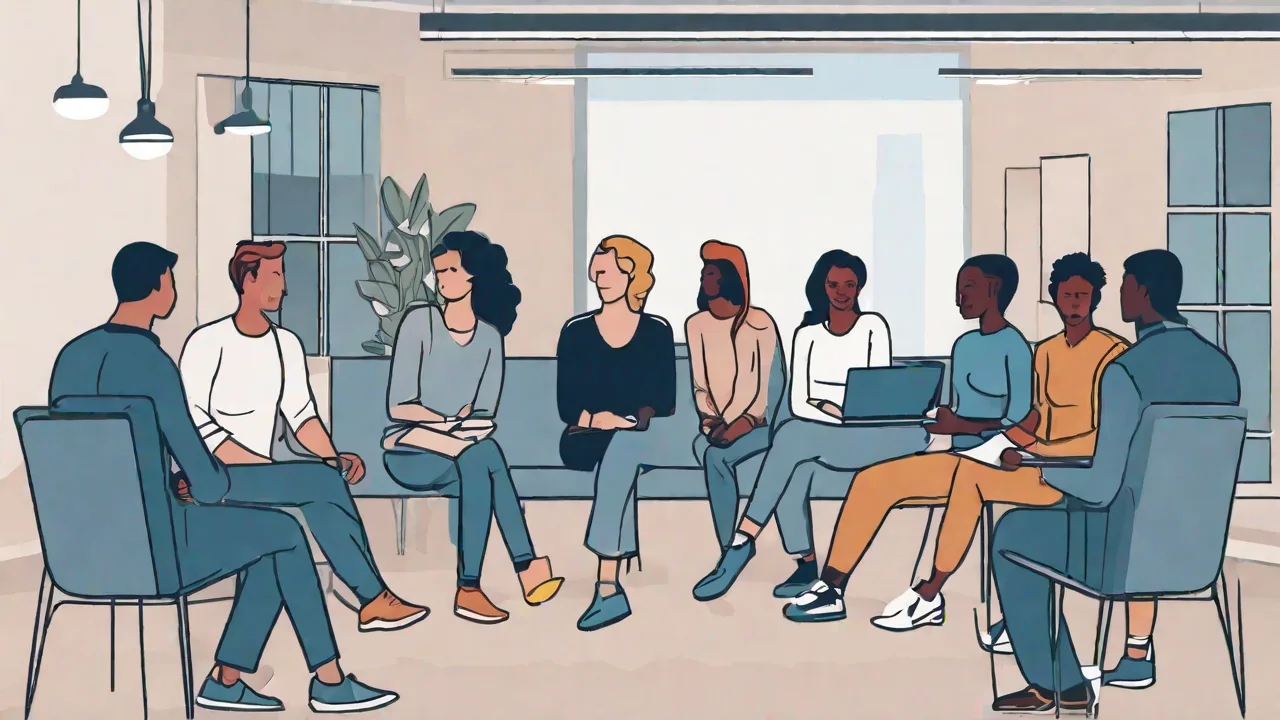
Hosting Virtual Community Meetups to Discuss Mental Health Topics in a Safe Environment
In today's increasingly digital world, hosting virtual community meetups has emerged as a powerful and transformative way to foster open, meaningful conversations about mental health. As traditional barriers to mental health support continue to affect millions of people worldwide, online platforms offer an accessible, safe, and inclusive environment where individuals can share their experiences, learn from others, and access valuable resources that support their mental wellness journey.
The shift toward virtual mental health support has accelerated dramatically in recent years, driven by technological advancement and changing social needs. The COVID-19 pandemic forced an abrupt shift from in-person meetings to online gatherings, accelerating the rise of virtual support groups. What began as a necessity has evolved into a preferred method of connection for many, offering unique advantages that complement and sometimes surpass traditional in-person gatherings.
Understanding the Critical Need for Virtual Mental Health Meetups
Mental health challenges affect people from all walks of life, yet accessing appropriate support remains difficult for many. Millions of people lack access to mental health treatment due to barriers such as limited therapist availability, long wait times, high cost, and stigma. These obstacles create a significant gap between those who need support and those who can access it, leaving countless individuals struggling in isolation.
Virtual community meetups address these challenges by removing many of the traditional barriers to participation. Geographic location no longer limits who can attend, financial constraints are reduced or eliminated through free platforms, and the stigma associated with seeking help is diminished through the privacy and anonymity that online environments can provide.
The Evolving Landscape of Mental Health Support
Because the internet is widely available, many people first turn to the internet for mental health support, giving rise to massive online psychotherapy, counseling and peer-to-peer support platforms. This shift represents a fundamental change in how people seek and receive mental health support, with virtual communities becoming a first line of defense for many experiencing emotional distress or seeking connection with others who understand their struggles.
The digital transformation of mental health support has created opportunities for innovation in how we approach community building and peer support. Online platforms can accommodate diverse groups, offer flexible scheduling, and provide resources in ways that traditional settings cannot match.
The Comprehensive Benefits of Virtual Mental Health Meetups
Virtual community meetups offer a wide range of advantages that make them an essential component of modern mental health support systems. Understanding these benefits helps organizers create more effective programs and helps participants recognize the value of engaging with these communities.
Accessibility and Convenience
One of the most significant benefits is access. Individuals can join from the comfort of their homes, eliminating the need to travel. This is especially beneficial for those living in remote areas or with mobility issues. The convenience factor cannot be overstated—participants can attend meetings without arranging transportation, taking time off work, or finding childcare.
One of the biggest advantages of virtual support groups is their accessibility. These groups remove geographical barriers, allowing people from different locations to join and participate. For example, Catherine Paykin's lung cancer support group expanded from 12 to 22 members by including participants from across the United States. This expansion demonstrates how virtual platforms can dramatically increase reach and impact.
Anonymity and Reduced Stigma
On HeyPeers, support groups can be joined anonymously, allowing you to participate without revealing your identity. This anonymity can be particularly valuable for individuals who are not yet comfortable discussing their mental health openly or who live in communities where mental health stigma remains strong.
Free & Anonymous – Participate privately without fear of stigma. Available 24/7 Worldwide – Get support anytime, anywhere. Safe & Moderated – Actively monitored to ensure respectful conversations. These features create an environment where people feel safer opening up about their struggles and seeking the support they need.
Inclusivity and Diversity
Virtual platforms excel at bringing together diverse groups of people who might never have the opportunity to connect otherwise. Being part of a positive community is good for mental health and wellbeing. Communities help us to belong, feel supported, and have purpose. From local to global, online to offline, we all need community.
No matter where you live, the online world can help you meet others who share your interests, aspects of your identity, or similar experiences – helping us feel connected. This connection transcends physical boundaries and creates opportunities for people to find their tribe, regardless of where they live or what challenges they face.
Peer Support and Shared Learning
The American Psychiatric Association highlights that group therapy fosters peer support, shared learning, and real-time feedback, creating a unique space for healing and growth. The power of peer support lies in the shared understanding that comes from connecting with others who have walked similar paths.
Through online support groups, members can share practical and helpful information relevant to their shared concerns and experiences. The mutual understanding support groups offer can help members better cope with difficult experiences. Individuals can also build coping strategies by learning how others have dealt with similar situations.
Resource Sharing and Expert Access
Expert-Backed Resources – Access articles, tips, and videos created by licensed mental health professionals. Virtual meetups make it easy to share resources instantly, whether through chat features, screen sharing, or follow-up emails. Facilitators can provide links to articles, worksheets, crisis hotlines, and other valuable materials that participants can access immediately.
The digital format also allows for the integration of multimedia resources, recorded sessions for those who cannot attend live, and the ability to create resource libraries that participants can access at any time.
Planning and Organizing Successful Virtual Mental Health Meetups
Creating an effective virtual mental health meetup requires thoughtful planning, attention to detail, and a commitment to creating a safe, supportive environment. The following comprehensive guide will help you organize meetups that truly make a difference in participants' lives.
Selecting the Right Platform
Choosing the appropriate technology platform is foundational to your meetup's success. Familiarize yourself with any technology or platforms used, such as Zoom or Microsoft Teams. Each platform offers different features and capabilities, so consider your specific needs when making this decision.
Popular platforms for virtual mental health meetups include:
- Zoom: Offers breakout rooms, screen sharing, recording capabilities, and can accommodate large groups. The waiting room feature allows hosts to control who enters the meeting.
- Microsoft Teams: Provides robust security features, integration with other Microsoft products, and professional-grade video conferencing capabilities.
- Google Meet: User-friendly interface, free for basic features, and integrates seamlessly with Google Calendar for scheduling.
- Specialized mental health platforms: Some platforms are specifically designed for mental health support groups and include built-in safety features and moderation tools.
When selecting a platform, consider factors such as ease of use, security features, cost, participant capacity, and accessibility features for people with disabilities. Test the platform thoroughly before your first meetup to ensure you understand all its features and can troubleshoot common issues.
Defining Clear Objectives and Structure
Every successful virtual meetup begins with clear objectives. Define what you hope to accomplish through these gatherings. Are you creating a space for general mental health support, focusing on a specific condition or challenge, or providing education on particular topics?
Look for reputable organizations that offer virtual support groups. Consider your specific needs and search for groups that align with them. This principle applies whether you're joining existing groups or creating your own—alignment between the group's purpose and participants' needs is essential.
Structure your meetups with a consistent format that participants can rely on. This might include:
- Welcome and check-in (10-15 minutes)
- Topic introduction or educational component (15-20 minutes)
- Group discussion or sharing time (30-40 minutes)
- Resource sharing and wrap-up (10-15 minutes)
Having a predictable structure helps participants feel more comfortable and know what to expect, which can reduce anxiety about attending.
Promotion and Outreach Strategies
Increasing mental health awareness with the help of social media can be a good initiative to reach out to a large number of people in a short time frame. Effective promotion is essential for building a thriving virtual community.
Develop a multi-channel promotion strategy that includes:
- Social media campaigns: Create engaging posts on platforms like Facebook, Instagram, Twitter, and LinkedIn. Use relevant hashtags to increase visibility.
- Email newsletters: Reach out to existing contacts and encourage them to share information with others who might benefit.
- Community partnerships: Collaborate with local mental health organizations, healthcare providers, schools, and community centers to spread the word.
- Online forums and groups: Share information in relevant online communities, mental health forums, and support group directories.
- Website and blog: Create a dedicated page on your website with information about the meetups, including dates, times, and how to join.
Ensure your promotional materials clearly communicate the purpose of the meetup, who it's for, when it takes place, and how to participate. Include information about confidentiality and what participants can expect.
Establishing Comprehensive Guidelines
Clear, well-communicated guidelines are essential for maintaining a safe and supportive environment. This ensures better quality of support and follows the right protocols to make sure the support group is a safe place.
Your guidelines should address:
- Confidentiality: What is shared in the group stays in the group. Participants should not discuss others' personal information outside the meetup.
- Respect: All participants deserve to be treated with dignity and respect, regardless of their background, experiences, or viewpoints.
- Non-judgment: Create a space where people can share without fear of being judged or criticized.
- Active listening: Encourage participants to listen fully when others are speaking rather than planning their own responses.
- Trigger warnings: Request that participants provide warnings before discussing potentially triggering content.
- No advice-giving: Unless specifically requested, participants should focus on sharing their own experiences rather than telling others what to do.
- Crisis protocol: Clearly communicate that the group is not a crisis service and provide information about appropriate resources for emergencies.
Share these guidelines at the beginning of each meetup and make them available in written form for participants to review.
Preparing Essential Resources
Having resources ready to share enhances the value of your virtual meetups. Compile a comprehensive resource library that includes:
- Crisis hotline numbers (988 Suicide & Crisis Lifeline, Crisis Text Line, etc.)
- Local and national mental health organizations
- Information about accessing professional mental health services
- Educational materials about specific mental health conditions
- Self-care strategies and coping techniques
- Recommended books, podcasts, and websites
- Information about other support groups and resources
Organize these resources in an easily accessible format, such as a shared document or website page, that participants can reference at any time. For more information on mental health resources, visit the National Alliance on Mental Illness (NAMI) or the MentalHealth.gov website.
Creating and Maintaining a Safe, Supportive Environment
The success of virtual mental health meetups depends heavily on creating an environment where participants feel safe, valued, and supported. This requires ongoing attention and active facilitation.
The Art of Effective Facilitation
Facilitating conversations about mental health can be challenging. Participants likely bring many different experiences, assumptions, ideas, and worries about how best to support students who are struggling with these issues. It's important to create a space where people feel safe and supported so they share and listen to others with respect and empathy.
Effective facilitation involves:
- Setting the tone: Begin each session by welcoming participants warmly and reminding them of the group's purpose and guidelines.
- Managing participation: Ensure everyone who wants to speak has the opportunity while preventing any individual from dominating the conversation.
- Active moderation: Monitor the discussion to keep it on track, intervene if guidelines are violated, and redirect conversations that become unproductive or harmful.
- Demonstrating empathy: Model the kind of compassionate, non-judgmental listening you want to see from all participants.
- Handling difficult moments: Be prepared to address challenging situations, such as someone becoming distressed or conflicts arising between participants.
Ask participants to be mindful of their fellow learners during the discussion and remind them that people who have struggled with mental illness may be present in the room (regardless of whether this information has been shared with others). This reminder helps create awareness and sensitivity among participants.
Building Connection Through Introductions
Starting with introductions helps participants feel more connected and comfortable. Consider using structured introduction prompts such as:
- Share your name (or preferred pseudonym) and one word to describe how you're feeling today
- What brought you to this group?
- What do you hope to gain from participating?
- Share one thing you're grateful for today
Keep introductions brief to ensure there's adequate time for the main discussion, but allow enough time for everyone to share. This practice helps build the sense of community that is essential for effective peer support.
Maintaining Confidentiality and Privacy
Participation is confidential. Confidentiality is the cornerstone of trust in mental health support groups. Regularly remind participants about the importance of maintaining confidentiality and what this means in practice.
Best practices for confidentiality include:
- Not recording sessions without explicit consent from all participants
- Using waiting rooms to control who enters the meeting
- Encouraging participants to join from private spaces where they won't be overheard
- Not sharing screenshots or recordings of the session
- Keeping discussions about the group general when talking to others outside the group
- Using secure, password-protected platforms
Address privacy concerns proactively and be transparent about any limitations to confidentiality, such as mandatory reporting requirements if someone discloses intent to harm themselves or others.
Providing Crisis Support Information
ADAA's online communities are peer-to-peer support spaces and do not replace professional mental health care. It's crucial to clearly communicate the limitations of peer support groups and ensure participants know how to access professional help when needed.
At the beginning and end of each meetup, share crisis resources including:
- 988 Suicide & Crisis Lifeline: Available 24/7 for anyone experiencing a mental health crisis
- Crisis Text Line: Text HOME to 741741 to connect with a crisis counselor
- NAMI HelpLine: 1-800-950-NAMI (6264) for information and support
- Local emergency services: 911 for immediate emergencies
- Local mental health crisis centers: Provide information specific to your area
Before you start facilitating in this area, ensure that you are knowledgeable about receiving disclosures and about available supports and resources on campus and in the community. Some institutions have developed practices such as expedited counselling for participants who might need support after a training session.
Addressing Common Challenges in Virtual Mental Health Meetups
While virtual meetups offer tremendous benefits, they also present unique challenges that facilitators and participants must navigate. Understanding these challenges and having strategies to address them is essential for success.
Technology Barriers and Solutions
Not everyone is tech-savvy, and this can be a significant hurdle for virtual support groups. For instance, Catherine Paykin noted that older participants in her lung cancer support group faced difficulties using platforms like Webex. Many had to learn how to mute and unmute themselves or even purchase their first digital device.
To address technology barriers:
- Provide clear, step-by-step instructions for joining the meetup, including screenshots or video tutorials
- Offer a tech support session before the first meetup for participants who need help
- Have a co-facilitator who can assist with technical issues during the session
- Start meetings 10-15 minutes early to help people troubleshoot connection problems
- Create a backup communication method (like a phone number or email) for participants who have trouble connecting
- Choose user-friendly platforms that don't require extensive technical knowledge
Building Cohesion in Virtual Spaces
Researchers have cited these factors as potentially inhibiting the building of group cohesion and development. Such findings dovetail with other researchers who have found that cohesion is formed more effectively in live settings. However, this doesn't mean virtual groups cannot build strong connections—it simply requires intentional effort.
Strategies for building cohesion include:
- Encouraging participants to turn on their cameras when comfortable (while respecting those who prefer not to)
- Using breakout rooms for smaller group discussions
- Creating opportunities for informal connection before and after the formal session
- Developing rituals or traditions specific to your group
- Using interactive features like polls, reactions, or chat to increase engagement
- Maintaining consistency in meeting times and format
- Following up with participants between meetings through email or a private group forum
Managing Diverse Participation Levels
In any group, some participants will be more vocal than others. In virtual settings, this can be particularly challenging as it's harder to read body language and social cues that indicate someone wants to speak.
To ensure balanced participation:
- Use a "raise hand" feature to manage who speaks when
- Directly invite quieter participants to share if they'd like to (without pressure)
- Implement a "round robin" approach where everyone has a turn to speak
- Offer multiple ways to participate (speaking, chat, reactions)
- Gently redirect participants who tend to dominate conversations
- Create smaller breakout groups where quieter individuals may feel more comfortable
Handling Difficult Situations
While facilitating, you are likely to encounter challenging moments when you may not be sure how to respond. Someone may start to dominate the discussion, or the conversation may shift in a direction that makes you concerned for the comfort of other participants. Here are some potential responses for bringing participants back to the topic.
Prepare for challenging situations by:
- Having a co-facilitator who can help manage difficult moments
- Developing scripts for common challenging situations
- Knowing when and how to use the mute or remove participant features
- Having a clear escalation protocol for serious concerns
- Debriefing after sessions to process difficult moments and improve future facilitation
Plan to stay after the session to talk to any participants who have questions or concerns they want to discuss. If you are concerned about a participant, ask them if they would find it helpful for you to check in with them later in the day or the following day. You could also ask them if they have a friend or family member that they might find it helpful to speak with after the session. If so, help them make a plan to connect with them.
Specialized Virtual Meetups for Different Populations
Different populations have unique needs when it comes to mental health support. Creating specialized virtual meetups can provide more targeted, relevant support for specific groups.
Support Groups for Specific Mental Health Conditions
Online support groups commonly aim to help people with conditions including anxiety, depression, and grief. Condition-specific groups allow participants to connect with others who truly understand their particular challenges.
Consider creating specialized groups for:
- Anxiety disorders
- Depression and mood disorders
- Bipolar disorder
- Post-traumatic stress disorder (PTSD)
- Obsessive-compulsive disorder (OCD)
- Eating disorders
- Substance use recovery
- Grief and loss
Identity-Based and Cultural Support Groups
Specialized groups are available for specific communities, including LGBTQ, men, women, teens, and parents. Identity-based groups provide spaces where people can discuss mental health within the context of their specific cultural experiences and identities.
Examples include:
- LGBTQ+ mental health support
- Support for people of color
- Men's mental health groups
- Women's support circles
- Teen and young adult groups
- Support for parents and caregivers
- Groups for specific cultural or religious communities
- Support for veterans and military families
Age-Specific Considerations
Attendees must be 18 years of age or older. When creating groups for different age ranges, consider the unique developmental needs and communication styles of each group.
For teen groups, incorporate more interactive elements, shorter discussion periods, and topics relevant to adolescent experiences. For older adult groups, provide additional technical support and consider topics related to aging, retirement, and life transitions.
Measuring Success and Gathering Feedback
To ensure your virtual mental health meetups are meeting participants' needs and achieving their goals, implement systems for measuring success and gathering feedback.
Key Metrics to Track
Consider tracking:
- Attendance rates and trends over time
- Participant retention (how many people return for multiple sessions)
- Engagement levels during sessions
- Diversity of participants
- Resource utilization (which resources are most accessed)
- Participant satisfaction scores
Gathering Meaningful Feedback
Regularly solicit feedback through:
- Anonymous post-session surveys
- Periodic check-ins with regular participants
- Open feedback sessions where participants can share suggestions
- Observation of participation patterns and engagement
- Informal conversations before and after sessions
Use this feedback to continuously improve your meetups, adjust topics and formats, and ensure you're meeting the evolving needs of your community.
The Role of Professional Oversight and Training
While peer-led support groups are valuable, having professional oversight or trained facilitators can enhance safety and effectiveness.
Benefits of Professional Leadership
The biggest benefit is that mental health professionals lead the groups. Professional facilitators bring expertise in group dynamics, crisis intervention, and mental health knowledge that can enhance the quality of support provided.
One of the biggest reasons HeyPeers stands out is that only certified peer specialists can lead support groups on our platform. This ensures better quality of support and follows the right protocols to make sure the support group is a safe place. Unlike random peer-led support groups, our certified specialists are trained to provide proper guidance without suggesting potentially harmful medications or practices.
Training for Peer Facilitators
If using peer facilitators, ensure they receive adequate training in:
- Group facilitation skills
- Active listening and empathy
- Recognizing signs of crisis
- Appropriate boundaries in peer support
- Cultural competency and inclusivity
- Technology platform management
- Self-care and preventing burnout
Provide ongoing support and supervision for facilitators, including regular debriefing sessions and opportunities for continued learning.
Integrating Virtual Meetups with Other Mental Health Resources
Virtual community meetups work best when integrated into a comprehensive approach to mental health support rather than existing in isolation.
Complementing Professional Treatment
Research shows that for conditions like depression, anxiety, PTSD, and substance use disorders, group therapy can be just as effective as individual therapy—and in some cases, even more beneficial. However, peer support groups should complement, not replace, professional mental health treatment when needed.
Encourage participants to:
- Seek professional help for serious mental health concerns
- View the support group as one component of their mental health care
- Communicate with their mental health providers about their participation in support groups
- Access crisis services when experiencing acute distress
Connecting to Additional Resources
Help participants access a full spectrum of mental health resources by providing information about:
- How to find a therapist or counselor
- Low-cost or sliding-scale mental health services
- Mental health apps and digital tools
- Educational resources about mental health conditions
- Self-care strategies and wellness practices
- Other support groups and community resources
For comprehensive mental health information and resources, visit SAMHSA (Substance Abuse and Mental Health Services Administration).
Sustainability and Long-Term Success
Building a sustainable virtual mental health community requires planning for the long term and developing systems that can continue to serve participants effectively over time.
Developing Leadership and Succession Plans
Avoid relying on a single facilitator by:
- Training multiple facilitators who can rotate or co-facilitate
- Developing clear documentation of processes and procedures
- Creating leadership opportunities for engaged participants
- Building partnerships with organizations that can provide ongoing support
- Establishing a governance structure if the group grows large
Securing Funding and Resources
While many virtual meetups operate with minimal costs, securing some funding can enhance sustainability through:
- Paid platform subscriptions with enhanced features
- Compensation for facilitators
- Professional development and training
- Marketing and outreach efforts
- Technology upgrades and support
Explore funding sources such as grants from mental health organizations, partnerships with healthcare systems, community foundation support, or modest participant contributions if appropriate.
Preventing Facilitator Burnout
Supporting those who facilitate virtual meetups is essential for long-term sustainability. Prevent burnout by:
- Limiting the number of groups any one facilitator leads
- Providing regular supervision and support
- Encouraging facilitators to maintain their own self-care practices
- Creating opportunities for facilitators to connect with and support each other
- Recognizing and appreciating facilitators' contributions
- Ensuring facilitators have access to their own mental health support
The Future of Virtual Mental Health Communities
Virtual support groups are not just a temporary solution; they represent a new era in mental health care. They offer a flexible, accessible, and inclusive way to connect, ensuring that no one feels alone, even in the most challenging times. As we continue to steer this new normal, virtual support groups will remain a crucial part of our support systems.
The future of virtual mental health communities is bright, with emerging technologies and evolving best practices continuing to enhance what these platforms can offer. Innovations on the horizon include:
- Enhanced accessibility features for people with disabilities
- Integration of artificial intelligence to provide better support and resources
- Virtual reality environments that create more immersive connection experiences
- Improved translation services to connect people across language barriers
- Better integration with electronic health records and professional mental health services
- More sophisticated matching algorithms to connect people with the most relevant groups
This project seeks to improve the quality and scalability of online mental health support through real-time, evidence-based conversation feedback. As research continues to identify best practices for online mental health support, these insights will help create even more effective virtual communities.
Taking Action: Starting Your Own Virtual Mental Health Meetup
If you're inspired to start your own virtual mental health meetup, here's a step-by-step action plan to get started:
Step 1: Define Your Vision and Purpose
Clearly articulate:
- What specific need your meetup will address
- Who your target audience is
- What makes your approach unique or valuable
- What success looks like for your community
Step 2: Gather Resources and Support
Identify:
- Co-facilitators or advisors who can support your efforts
- Mental health professionals who can provide guidance
- Technology platforms and tools you'll need
- Educational resources and materials to share
- Potential partners or sponsors
Step 3: Develop Your Framework
Create:
- Clear guidelines and community agreements
- A consistent meeting format and structure
- Crisis protocols and resource lists
- Promotional materials and messaging
- Registration or sign-up processes
Step 4: Launch and Iterate
Begin with:
- A small pilot group to test your approach
- Regular feedback collection and adjustment
- Gradual expansion as you refine your model
- Ongoing learning and improvement
Step 5: Build and Sustain Your Community
Focus on:
- Consistent, reliable meeting schedules
- Authentic, compassionate facilitation
- Responsive adaptation to community needs
- Celebration of milestones and successes
- Long-term sustainability planning
Conclusion: The Transformative Power of Virtual Mental Health Communities
Hosting virtual community meetups to discuss mental health topics in a safe environment represents more than just a convenient alternative to in-person gatherings—it's a powerful tool for democratizing access to mental health support, reducing stigma, and building communities of care that transcend traditional boundaries.
Virtual support groups are reshaping how we connect and support one another. By offering accessibility, inclusivity, convenience, and safety, they provide a robust framework for emotional and mental health care in today's world. As we adapt to this new normal, these groups will continue to play a pivotal role in our lives.
The success of virtual mental health meetups depends on thoughtful planning, compassionate facilitation, clear guidelines, and a genuine commitment to creating spaces where people feel safe to share their experiences and support one another. When done well, these virtual communities can be life-changing for participants, providing connection, understanding, and hope during difficult times.
Whether you're considering joining a virtual mental health meetup or starting one yourself, remember that every conversation about mental health helps break down stigma and creates pathways to healing. In our increasingly digital world, virtual communities offer unprecedented opportunities to ensure that no one has to face mental health challenges alone.
The future of mental health support is collaborative, accessible, and increasingly virtual. By embracing these platforms and committing to creating safe, supportive environments, we can build a world where mental health support is available to everyone who needs it, regardless of where they live, what resources they have, or what barriers they face. The power to create positive change lies in our willingness to connect, share, and support one another—one virtual meetup at a time.
For more information about mental health support and resources, visit the Mental Health America website or explore local and national organizations dedicated to mental health advocacy and support.