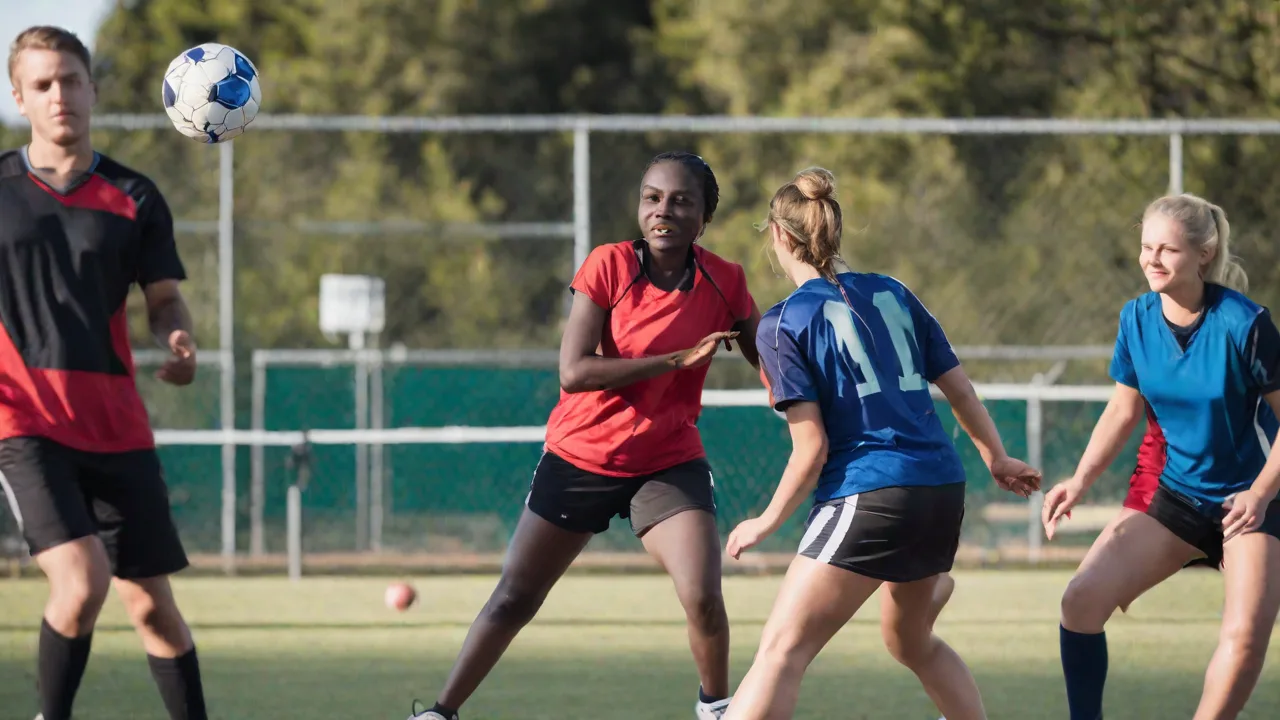
Innovative Approaches to Integrating Mental Health Support Into Community Sports Leagues
The Growing Recognition of Mental Health in Community Sports
Community sports leagues have long been celebrated as cornerstones of local culture, providing opportunities for physical activity, social connection, and personal development. From youth soccer programs to adult recreational basketball leagues, these organizations bring together people of all ages and backgrounds in pursuit of shared athletic goals. However, the traditional focus on physical fitness and competitive achievement has often overshadowed an equally critical component of athlete well-being: mental health.
In recent years, a paradigm shift has occurred in how we understand the relationship between sports participation and psychological wellness. Mental health concerns have grown in the post-COVID-19 era, particularly regarding the increasing prevalence of reported psychological distress among youth in various contexts, including sports. This heightened awareness has prompted community sports organizations to reconsider their approach, recognizing that supporting athletes means addressing both their physical and mental health needs.
The integration of mental health support into community sports leagues represents more than just an add-on service—it reflects a fundamental understanding that athletic performance, personal development, and psychological well-being are inextricably linked. As leagues across the country begin implementing innovative mental health initiatives, they are discovering that these programs not only help struggling athletes but also enhance the overall culture and effectiveness of their organizations.
Understanding the Mental Health Landscape in Sports
Prevalence of Mental Health Challenges Among Athletes
The notion that athletes are somehow immune to mental health struggles has been thoroughly debunked by contemporary research. A 2019 study found that about 35% of elite athletes have mental health concerns, with the top issues reported by athletes including feelings of burnout, depression, and anxiety. While these statistics focus on elite competitors, community-level athletes face many of the same pressures and challenges.
Among younger athletes, the numbers are particularly concerning. During the pandemic, 1 in 4 youth reported depressive symptoms, and 1 in 5 experienced anxiety. Even as organized sports have resumed, prepandemic rates of depression in athletes have not reverted to baseline, suggesting that the mental health impact of recent years continues to affect athletic communities.
College athletes provide another window into the mental health challenges facing sports participants. Student-athletes (22.3%) were at risk for depression, anxiety (12.5%), and low self-esteem (8%). These figures underscore that mental health concerns span all levels of athletic participation, from recreational community leagues to highly competitive collegiate programs.
Gender Disparities in Athlete Mental Health
Research consistently reveals significant gender differences in mental health outcomes among athletes. More than double the percentage of female athletes struggled with anxiety or depression symptoms as compared to their male counterparts (26% versus 10%, respectively). This disparity extends beyond elite athletics into community sports settings as well.
The gender gap appears across multiple age groups and competitive levels. Girls are approximately twice as likely to experience high or very high psychological distress than boys (28% compared with 13%). Understanding these differences is crucial for community sports leagues as they develop mental health support programs that address the specific needs of all participants.
Unique Stressors in the Athletic Environment
Athletes face a distinct set of psychological challenges that differ from those encountered in other contexts. Athletes operate under intense pressure, managing expectations from coaches, teammates, family members, and themselves. Even in community leagues where the stakes may seem lower than in professional sports, these pressures can significantly impact mental well-being.
Performance anxiety represents one of the most common mental health challenges in sports. The fear of failure, concerns about letting down teammates, and the pressure to maintain or improve performance can create chronic stress. Additionally, injuries pose both physical and psychological challenges. If an injury is severe and an athlete can't return to their sport, they can experience a loss of identity. An injury can sometimes unmask mental health issues such as anxiety and depression.
The coaching environment itself can either support or undermine athlete mental health. The risk of burnout in athletes correlated with controlling coaching behaviors experienced by athletes. This finding highlights the importance of training coaches not only in technical skills but also in creating psychologically supportive environments.
Why Mental Health Support Matters in Community Sports
Impact on Athletic Performance and Participation
Mental health directly influences athletic performance in numerous ways. Anxiety can impair concentration, decision-making, and physical coordination. Depression may reduce motivation, energy levels, and the ability to engage fully in training and competition. By addressing mental health proactively, community sports leagues can help athletes perform at their best while also enjoying their sport more fully.
Beyond performance, mental health support affects participation rates and retention. Athletes struggling with untreated mental health issues are more likely to drop out of sports programs, missing out on the physical, social, and developmental benefits that sports provide. When leagues prioritize mental wellness, they create environments where athletes feel supported and are more likely to continue their participation over time.
Building Resilience and Life Skills
Sports participation offers unique opportunities to develop psychological resilience and coping skills that extend far beyond the playing field. When community leagues integrate mental health support into their programming, they enhance these developmental benefits. Athletes learn to manage stress, cope with setbacks, regulate emotions, and seek help when needed—skills that serve them throughout their lives.
Mental health education in sports settings also helps reduce stigma and normalize conversations about psychological well-being. Young athletes who learn that mental health is as important as physical health are more likely to seek support when they need it, both during their athletic careers and in other areas of life.
Creating Inclusive and Supportive Communities
Community sports leagues serve diverse populations, including individuals from various socioeconomic backgrounds, racial and ethnic groups, and life circumstances. Mental health challenges do not discriminate, but access to support often does. By integrating mental health resources directly into sports programs, leagues can reach individuals who might not otherwise have access to psychological services.
Embedding mental health and wellbeing programs within youth sports development programs can help provide more young people with mental health support. This approach is particularly valuable for reaching underserved communities where mental health resources may be limited or where cultural stigma around seeking psychological help remains strong.
Innovative Strategies for Integrating Mental Health Support
Mental Health Training for Coaches and Staff
Coaches occupy a unique position in athletes' lives, often serving as mentors, role models, and trusted adults. Equipping coaches with mental health literacy and basic support skills represents one of the most impactful strategies for integrating mental health support into community sports leagues.
Chrisman and her colleagues at The Sports Institute saw an opportunity to equip coaches to provide mental health support for high school student-athletes. Mental health training programs for coaches typically cover several key areas: recognizing signs of mental distress, understanding when and how to refer athletes to professional help, creating psychologically safe team environments, and communicating effectively about mental health topics.
These training programs need not transform coaches into mental health professionals. Rather, they provide coaches with the knowledge and confidence to have initial conversations about mental health, recognize when an athlete may be struggling, and connect them with appropriate resources. Educating athletes, coaches, and staff about mental health can have a profound impact. Topics like coping strategies, recognizing signs of burnout or distress, and seeking early intervention should be covered.
The impact of coach training extends beyond individual athletes. A NCAA-led survey found more than 80% of head, assistant and associate coaches across all three divisions are spending more time discussing mental health with student-athletes than they did before the pandemic. This shift in coaching culture demonstrates the growing recognition of mental health as a core component of athlete development.
Peer Support Programs and Athlete Leadership
Peer support represents another powerful approach to mental health integration in community sports. Athletes often feel more comfortable discussing challenges with teammates who understand the unique pressures of their sport. Structured peer support programs create safe spaces for these conversations while ensuring that athletes have access to appropriate resources when needed.
The U.S. Center for Mental Health & Sport wants to give athletes a voice in advocating for increased mental health awareness and mental health support at all levels of sport across the country. We are looking for current athletes ages 15 - 24 who are passionate about bringing opportunities for improved mental health to their sport communities. These athlete ambassador programs empower young people to become mental health advocates within their teams and leagues.
Peer support programs typically involve training selected athletes in basic mental health literacy, active listening skills, and resource navigation. These peer leaders then serve as first points of contact for teammates who may be struggling, providing emotional support and helping connect them with professional resources when appropriate. The peer-to-peer model reduces stigma and creates a culture where seeking help is normalized rather than seen as a sign of weakness.
On-Site Counseling and Professional Mental Health Services
While coach training and peer support provide important first-line support, access to professional mental health services remains essential. Progressive community sports leagues are partnering with mental health professionals to provide accessible counseling services directly within their programs.
Having licensed counselors or sports psychologists on staff can bridge the gap between performance and wellness. Specialists dedicated to student-athletes understand the unique challenges they face and can tailor their guidance accordingly. These professionals bring expertise in sport psychology, understanding both the mental health challenges that athletes face and the specific context of athletic performance.
On-site counseling services can take various forms depending on league resources and needs. Some organizations employ full-time or part-time mental health professionals who attend practices and games, making themselves available for informal check-ins and scheduled sessions. Others partner with local mental health agencies or private practitioners to provide services at reduced or no cost to athletes and families.
The key advantage of on-site services is accessibility. By bringing mental health support directly to where athletes already are, leagues remove common barriers such as transportation, scheduling conflicts, and the stigma of visiting a mental health clinic. Athletes can access support in a familiar, comfortable environment, making it more likely they will seek help when needed.
Educational Workshops and Mental Health Awareness Programs
Education forms the foundation of effective mental health integration. Community sports leagues are implementing workshops and awareness programs that target athletes, parents, coaches, and other stakeholders. These educational initiatives serve multiple purposes: increasing mental health literacy, reducing stigma, teaching practical coping skills, and ensuring that everyone knows how to access available resources.
Workshops for athletes might cover topics such as stress management, performance anxiety, building resilience, healthy sleep habits, nutrition and mental health, and recognizing when to seek help. These sessions provide practical tools that athletes can use immediately while also normalizing conversations about mental wellness.
Parent education represents an equally important component. Parents play crucial roles in supporting their children's mental health, but many lack information about recognizing signs of distress or knowing how to respond effectively. Workshops for parents can address topics such as supporting young athletes without adding pressure, recognizing warning signs of mental health issues, communicating effectively about stress and emotions, and navigating the mental health care system.
The program, created with a generous philanthropic gift from the Prentice Family and supported by the Garvey Institute for Brain Health Solutions, is designed to support coaches in teaching student-athletes coping skills to manage stress. This type of comprehensive educational approach ensures that entire athletic communities develop shared understanding and language around mental health.
Digital Platforms and Technology-Based Support
Technology offers innovative solutions for expanding mental health support in community sports leagues. Digital platforms can provide confidential access to resources, self-assessment tools, educational content, and even direct counseling services. These tools are particularly valuable for reaching athletes who may be reluctant to seek in-person support or who face logistical barriers to accessing traditional services.
Delivering such programs in multiple locations across metropolitan, regional, and rural areas requires novel solutions to overcome geographic and logistical barriers. Digital platforms address this challenge by making support available regardless of location or time constraints.
Mental health apps designed for athletes can offer features such as mood tracking, guided meditation and mindfulness exercises, cognitive behavioral therapy techniques, stress management tools, and educational resources about common mental health challenges. Some platforms also provide secure messaging with mental health professionals or peer support communities where athletes can connect with others facing similar challenges.
The program included online assessment and feedback about youth mental health, as well as connection with evidence-informed resources and referral sources via parent telephone and email support. There were four methods of delivering player workshops during training sessions: (a) In-person Delivery Only, (b) In-person + Remote Real-time (video-conferenced), (c) In-person + Remote Prerecorded (video-recorded), and (d) Remote Delivery Only. This hybrid approach demonstrates how technology can complement in-person support to create comprehensive mental health systems.
Virtual counseling services have become increasingly sophisticated and accessible. Virtual care can remove barriers to mental health care, enabling student-athletes to reach their fullest potential in their academic and athletic performances. Teletherapy allows athletes to connect with licensed mental health professionals from home or other private locations, offering flexibility and privacy that traditional in-person services may not provide.
Organizational Partnerships and Community Collaboration
Many community sports leagues lack the internal resources to develop comprehensive mental health programs independently. Strategic partnerships with mental health organizations, healthcare providers, schools, and community agencies can dramatically expand the support available to athletes.
The U.S. Center for Mental Health & Sport (USC-MHS) is pleased to announce a new partnership with the American Youth Soccer Organization (AYSO) to build on our mission to bring optimum mental health to sport communities. These types of partnerships leverage the expertise and resources of specialized mental health organizations while integrating support directly into sports settings.
Effective partnerships might involve local mental health clinics providing on-site counseling services, universities contributing sport psychology graduate students for internships and service provision, hospitals or healthcare systems offering mental health screenings and educational programs, schools coordinating mental health support across academic and athletic settings, and nonprofit organizations providing specialized programs such as suicide prevention or substance abuse education.
Collaboration extends beyond formal partnerships to include community-wide initiatives. Some regions have developed coordinated mental health support systems that span multiple sports leagues, schools, and youth-serving organizations. This approach ensures consistent messaging, reduces duplication of efforts, and creates a comprehensive safety net for young people.
Implementing Mental Health Programs: Practical Considerations
Assessing Needs and Resources
Before implementing mental health initiatives, community sports leagues should conduct thorough needs assessments to understand the specific challenges facing their athletes and the resources available to address them. This assessment might include surveys of athletes, parents, and coaches about mental health concerns and perceived needs, review of existing mental health resources in the community, evaluation of league capacity including staff, budget, and facilities, and identification of potential partners and collaborators.
Understanding the unique characteristics of the league's population is essential. Youth leagues face different challenges than adult recreational leagues. Competitive travel teams have different needs than recreational house leagues. Socioeconomic factors, cultural backgrounds, and community resources all influence what types of mental health support will be most effective and accessible.
Developing Policies and Protocols
Effective mental health integration requires clear policies and protocols that guide how the league addresses mental health concerns. These policies should cover confidentiality and privacy protections, procedures for responding to mental health crises, guidelines for when and how to involve parents or guardians, protocols for referring athletes to professional mental health services, and expectations for coaches and staff regarding mental health support.
Crisis response protocols are particularly important. Leagues need clear procedures for responding to situations such as suicidal ideation, self-harm, severe anxiety or panic attacks, and other mental health emergencies. These protocols should identify who is responsible for responding, how to access emergency mental health services, when to involve parents or emergency contacts, and how to follow up after a crisis.
Training and Capacity Building
Successful mental health programs require ongoing training and capacity building for everyone involved in the league. Despite a plethora of professionals in charge of elite athletes' physical and psychological wellbeing, such as coaches, physical therapists, and athletic trainers (ATs), not all professionals are trained or qualified in this area of expertise. This gap in training exists at all levels of sport, making education a critical priority.
Training should be tailored to different roles within the organization. Coaches need mental health literacy and skills for creating supportive environments. League administrators need to understand policies, legal considerations, and resource management. Peer support leaders need training in active listening and appropriate boundaries. Parents benefit from education about supporting their children's mental health without adding pressure.
Training should not be a one-time event but rather an ongoing process. Mental health knowledge evolves, new challenges emerge, and staff turnover requires regular onboarding. Leagues should plan for annual refresher training, updates on new resources or protocols, and opportunities for staff to discuss challenges and share best practices.
Funding and Sustainability
Financial resources represent a significant challenge for many community sports leagues seeking to implement mental health programs. However, various funding strategies can make these initiatives sustainable. Some leagues incorporate mental health support into registration fees, ensuring that all participants contribute to and benefit from these services. Others seek grants from foundations, government agencies, or corporate sponsors interested in youth development and mental health.
Partnerships can also reduce costs. Mental health professionals may provide services pro bono or at reduced rates as part of community service commitments. Graduate students in counseling or social work programs may offer services as part of their training. Community mental health centers may provide services through existing funding streams that support youth mental health.
Some innovative funding models have emerged. Fundraising events specifically dedicated to mental health programs can raise both money and awareness. Corporate sponsorships increasingly focus on social impact, making mental health initiatives attractive to potential sponsors. Some leagues have successfully advocated for municipal funding, arguing that mental health support in youth sports represents a valuable community health investment.
Measuring Impact and Continuous Improvement
To ensure that mental health programs are effective and to justify continued investment, leagues should implement systems for measuring impact and gathering feedback. Evaluation might include tracking utilization of mental health services, surveying athletes and parents about satisfaction and perceived benefits, monitoring retention rates and participation levels, assessing changes in team culture and athlete well-being, and collecting qualitative feedback through focus groups or interviews.
Data collection should respect privacy and confidentiality while still providing useful information about program effectiveness. Aggregate data about service utilization, general satisfaction ratings, and overall trends can inform program improvements without compromising individual privacy.
Regular program review allows leagues to identify what is working well and what needs adjustment. Mental health needs may change over time, requiring programs to evolve. New resources may become available, or partnerships may shift. A commitment to continuous improvement ensures that mental health support remains relevant, effective, and responsive to athlete needs.
Case Studies: Mental Health Integration in Action
Youth Soccer League Mental Health Initiative
The Greenfield Youth Soccer League serves approximately 800 players ages 5-18 across multiple competitive levels. Recognizing increasing concerns about youth mental health, league leadership partnered with a local mental health center to develop a comprehensive support program.
The initiative began with mandatory mental health training for all coaches, covering topics such as recognizing signs of anxiety and depression, creating psychologically safe team environments, and connecting families with resources. The league also established peer support groups for older players, facilitated by trained high school athletes who served as mental health ambassadors.
A licensed counselor attended practices and games two evenings per week, making themselves available for informal conversations with players and parents. The league also hosted quarterly workshops for parents on topics such as managing performance pressure and supporting resilient young athletes.
After two years, the league reported increased player retention, particularly among middle school-aged athletes who historically had high dropout rates. Parent satisfaction surveys showed strong appreciation for the mental health resources, and coaches reported feeling more confident addressing player well-being. The program has become a model for other youth sports organizations in the region.
Adult Recreational Basketball League Wellness Program
The Riverside Adult Basketball League recognized that mental health support was not just for young athletes. Many adult participants faced stress from work, family responsibilities, and life transitions, and the league wanted to ensure that basketball remained a positive outlet rather than an additional source of pressure.
The league partnered with a local mental health organization to offer monthly wellness workshops covering topics such as stress management, work-life balance, and maintaining mental health through physical activity. They also created a confidential peer support network where players could connect with others facing similar life challenges.
Recognizing that many adults face barriers to accessing mental health care, the league negotiated with several local therapists to offer reduced-rate services to league members. Information about these resources was shared discreetly through email and posted in locker rooms.
The program fostered a more inclusive and supportive league culture. Players reported that the league felt like a genuine community rather than just a place to play basketball. Several participants shared that the mental health resources had helped them through difficult periods, and the league saw increased registration and strong word-of-mouth recommendations.
Multi-Sport Youth Organization Comprehensive Approach
A large multi-sport youth organization serving over 2,000 athletes across soccer, baseball, softball, and basketball implemented a comprehensive mental health strategy that integrated support across all programs. The organization hired a part-time mental health coordinator who developed standardized policies, training programs, and resources used across all sports.
Every coach completed annual mental health training, and the organization established a mental health committee including coaches, parents, athletes, and mental health professionals. This committee reviewed policies, planned educational events, and ensured that mental health remained a priority across the organization.
The organization partnered with a university counseling program to provide on-site services through graduate student interns supervised by licensed professionals. They also developed a digital resource hub where athletes and families could access educational materials, self-assessment tools, and information about community mental health services.
Perhaps most innovatively, the organization integrated mental health education directly into athletic programming. Coaches incorporated brief mindfulness exercises into practices, teams discussed mental health topics during team meetings, and athletes learned coping skills alongside athletic skills. This integration normalized mental health as a core component of athletic development rather than a separate add-on.
Overcoming Barriers and Challenges
Addressing Stigma and Cultural Barriers
Despite growing awareness, stigma around mental health remains a significant barrier in many athletic communities. Sports culture has traditionally made it challenging to seek help for mental health issues. Athletes may fear being perceived as weak, worry about losing playing time, or believe that mental health struggles are incompatible with athletic success.
Reducing stigma requires sustained, multi-faceted efforts. High-profile athletes speaking openly about their mental health experiences have helped shift cultural attitudes. Professional athletes like tennis player Naomi Osaka, swimmer Michael Phelps and gymnast Simone Biles are trying to change this by speaking openly about their mental health struggles. Community leagues can amplify these messages while also highlighting local athletes who have benefited from mental health support.
Language matters in reducing stigma. Framing mental health as a normal part of overall wellness rather than a sign of weakness helps normalize seeking support. Emphasizing that mental health care is about optimizing performance and well-being, not just treating illness, can make support more acceptable to athletes and families.
Cultural factors also influence how mental health is perceived and addressed. Some communities have strong cultural stigma around mental health issues or different understandings of psychological well-being. Effective programs recognize and respect cultural diversity, offering support in culturally responsive ways and partnering with community leaders who can help bridge cultural gaps.
Managing Limited Resources
Most community sports leagues operate with limited budgets and rely heavily on volunteers. Implementing mental health programs in this context requires creativity and strategic resource allocation. Starting small and building gradually can be more sustainable than attempting to implement comprehensive programs all at once.
Leveraging existing resources maximizes impact. Many communities have mental health resources that are underutilized simply because people do not know about them. Leagues can serve as connectors, helping athletes and families access existing services rather than creating entirely new programs.
Volunteer mental health professionals represent another valuable resource. Many therapists, counselors, and psychologists are willing to donate time to support youth mental health. Creating structured volunteer opportunities with clear expectations and appropriate supervision can engage these professionals effectively.
Technology can also help stretch limited resources. Digital platforms and online resources can reach many people at relatively low cost. Virtual support groups, educational webinars, and online screening tools provide valuable services without requiring extensive in-person staffing.
Navigating Legal and Ethical Considerations
Mental health programs in community sports leagues must navigate various legal and ethical considerations. Confidentiality is paramount—athletes must trust that their mental health information will be protected. Leagues need clear policies about who has access to mental health information and under what circumstances it may be shared.
Mandatory reporting requirements add complexity. Coaches and other league personnel may be mandatory reporters of child abuse or neglect, creating situations where confidentiality must be breached. Clear policies and training help staff understand their legal obligations while maintaining trust with athletes.
Liability concerns sometimes make leagues hesitant to address mental health. However, ignoring mental health issues does not eliminate liability—it may actually increase risk. Implementing appropriate policies, providing proper training, and partnering with licensed professionals can help manage liability while ensuring athletes receive needed support.
Scope of practice is another important consideration. Coaches and volunteers should not be expected to provide therapy or clinical services. Clear boundaries about what support league personnel can provide versus when professional referral is needed protect both athletes and staff.
Ensuring Equity and Access
Mental health disparities exist across socioeconomic, racial, and ethnic lines. Community sports leagues must ensure that mental health support is accessible to all participants, not just those with resources to access private services. This commitment to equity should inform program design, implementation, and evaluation.
Financial barriers can prevent families from accessing mental health services. Offering free or low-cost support through the league removes this barrier. Sliding scale fees, scholarship programs, or partnerships with providers who accept Medicaid can also improve access.
Language and cultural barriers require attention as well. Mental health resources should be available in languages spoken by league participants. Cultural competence training for mental health providers ensures that support is delivered in culturally appropriate ways.
Transportation and scheduling can also create access barriers. Offering services at times and locations convenient for families, providing virtual options, and coordinating with other community services can help ensure that all athletes can access support regardless of logistical constraints.
The Role of Different Stakeholders
League Leadership and Administrators
League leadership sets the tone for mental health integration. When administrators prioritize mental health, allocate resources to support programs, and communicate clearly about the importance of psychological well-being, these initiatives are more likely to succeed and be sustained over time.
Administrators are responsible for developing policies, securing funding, establishing partnerships, and ensuring that mental health support is integrated into league operations rather than treated as an optional add-on. They also play crucial roles in reducing stigma through their messaging and modeling appropriate attitudes toward mental health.
Coaches as Mental Health Champions
Coaches have daily contact with athletes and significant influence over team culture. Their attitudes toward mental health profoundly impact whether athletes feel safe seeking support. Athletic directors and coaches have a unique ability to influence team culture. By building a culture of caring within the athletic community and among individual teams and teammates, students can feel more comfortable seeking support when they need it.
Effective coaches create environments where mental health is openly discussed, athletes feel comfortable sharing struggles, mistakes are treated as learning opportunities rather than failures, and individual well-being is prioritized alongside team success. They also model healthy coping strategies and appropriate help-seeking behavior.
Coaches need support to fulfill these roles effectively. Mental health training, access to consultation with mental health professionals, and clear protocols for responding to concerns help coaches feel confident addressing mental health issues. Recognition that supporting athlete mental health is part of their coaching responsibilities, not an extra burden, is also important.
Parents and Families
Parents play critical roles in supporting their children's mental health and in creating healthy youth sports environments. However, parents can also inadvertently contribute to mental health challenges through excessive pressure, over-involvement, or unrealistic expectations.
Educating parents about mental health in sports contexts helps them support their children more effectively. Parents benefit from understanding how to recognize signs of mental distress, communicate supportively about sports experiences, maintain appropriate boundaries around athletic involvement, and access mental health resources when needed.
Leagues can support parents by providing educational resources, creating opportunities for parents to connect with each other, establishing clear expectations about parent behavior, and offering guidance about how to balance support with appropriate independence for young athletes.
Athletes as Active Participants
Athletes themselves should be active participants in mental health initiatives, not just passive recipients of services. Involving athletes in program design ensures that support meets their actual needs and preferences. Youth advisory boards, athlete surveys, and focus groups can provide valuable input about what types of support would be most helpful.
Peer leadership programs empower athletes to support each other and advocate for mental health within their teams and leagues. These programs recognize that athletes often turn to teammates first when struggling, and equipping them with basic support skills can create powerful peer support networks.
Athletes also play important roles in reducing stigma. When athletes speak openly about their mental health experiences, seek support when needed, and support teammates who are struggling, they help create cultures where mental health is normalized and valued.
Mental Health Professionals
Mental health professionals bring essential expertise to community sports mental health programs. Sport psychologists, counselors, social workers, and other mental health providers can offer direct services, consultation, training, and program development support.
Effective collaboration between mental health professionals and sports organizations requires mutual understanding. Mental health providers need to understand the sports context, including the unique pressures athletes face and the culture of athletic environments. Sports organizations need to respect professional boundaries and expertise while helping mental health providers understand the specific needs of their athletes.
Mental health professionals can also serve as advocates for athlete mental health, helping leagues develop evidence-based programs and ensuring that support meets professional standards. Their involvement lends credibility to mental health initiatives and helps ensure that athletes receive appropriate, effective care.
Looking Forward: The Future of Mental Health in Community Sports
Emerging Trends and Innovations
The field of mental health in sports continues to evolve rapidly. Through the newly published "Mental Health Guidelines for Major Sporting Events", the IOC is bringing together invaluable resources and guidelines to ensure that safe, comprehensive and effective mental health measures are built into sports event planning. This initiative is intended to set a new standard in athlete wellbeing. While these guidelines focus on major sporting events, the principles are increasingly being adapted for community sports settings.
Technology continues to offer new possibilities for mental health support. Artificial intelligence and machine learning are being used to identify athletes at risk for mental health challenges, personalize interventions, and provide real-time support. This included sport's largest-ever online abuse prevention programme, which used artificial intelligence to analyse 2.4 million social media posts and comments in real time. While such sophisticated systems may not be immediately accessible to community leagues, the underlying technologies are becoming more affordable and user-friendly.
Virtual reality and other immersive technologies are being explored for mental health applications in sports. VR-based mindfulness and relaxation programs, exposure therapy for performance anxiety, and mental skills training represent emerging applications that may become more widely available to community sports programs.
Preventive approaches are gaining emphasis alongside treatment-focused interventions. Rather than waiting for mental health crises to occur, programs increasingly focus on building resilience, teaching coping skills proactively, and creating environments that support mental wellness. This shift toward prevention aligns well with the developmental focus of community sports leagues.
Policy and Advocacy Opportunities
Policy changes at various levels can support mental health integration in community sports. Under the NCAA constitution adopted in January 2022, each member school — regardless of division — must facilitate an environment that reinforces physical and mental health within athletics. Schools across all divisions are legislatively required to provide student-athletes mental health resources and education. Similar requirements could be developed for community sports organizations, particularly those receiving public funding or operating in school facilities.
Advocacy efforts can focus on increasing funding for youth mental health programs, including those embedded in sports settings. Government grants, foundation funding, and corporate sponsorships increasingly recognize the value of sports-based mental health initiatives. Community leagues can advocate for policies that make such funding more accessible to grassroots organizations.
Insurance coverage for sport psychology and mental health services in athletic contexts remains limited. Advocacy for expanded coverage could make professional mental health support more accessible to athletes at all levels. Some states have begun requiring insurance coverage for mental health services comparable to physical health coverage, which could benefit athletes seeking support.
Building a Movement
The integration of mental health support into community sports represents more than individual program initiatives—it reflects a broader movement toward holistic athlete development and well-being. This movement is gaining momentum as more organizations recognize that supporting mental health is not optional but essential to fulfilling their missions.
Building this movement requires collaboration across sectors. Sports organizations, mental health providers, schools, healthcare systems, and community agencies must work together to create comprehensive support systems. Sharing best practices, learning from both successes and challenges, and supporting each other's efforts strengthens the entire field.
Research and evaluation will continue to play important roles in advancing the field. As more programs are implemented, rigorous evaluation can identify what works, for whom, and under what conditions. This evidence base will help refine programs and make the case for continued investment in mental health support.
Ultimately, the goal is to reach a point where mental health support is simply an expected, integrated component of all sports programs, just as physical safety measures and medical support are now standard. When this vision is realized, athletes at all levels will have access to the support they need to thrive both in sports and in life.
Practical Steps for Getting Started
For community sports leagues ready to begin integrating mental health support, the following steps provide a practical roadmap:
Step 1: Build Awareness and Buy-In
Begin by educating league leadership, coaches, and other stakeholders about the importance of mental health in sports. Share relevant statistics, research findings, and examples of successful programs. Engage in conversations about the mental health needs observed within your specific league. Building broad support from the beginning increases the likelihood of successful implementation and sustainability.
Step 2: Assess Needs and Resources
Conduct a thorough assessment of your league's mental health needs and available resources. Survey athletes, parents, and coaches about their concerns and what types of support would be most helpful. Inventory existing mental health resources in your community and identify potential partners. Evaluate your league's capacity in terms of budget, staff, and volunteer availability.
Step 3: Start Small and Build Gradually
Rather than attempting to implement a comprehensive program immediately, start with one or two initiatives that address identified priorities and are feasible given available resources. This might be mental health training for coaches, a partnership with a local mental health provider, or educational workshops for parents. Starting small allows you to learn, adjust, and build momentum before expanding.
Step 4: Develop Clear Policies and Protocols
Establish clear policies regarding confidentiality, crisis response, referral procedures, and roles and responsibilities. Ensure that everyone involved understands these policies and their obligations. Having clear protocols in place before issues arise helps ensure appropriate, consistent responses.
Step 5: Provide Training and Support
Invest in training for coaches, staff, and volunteers. This training should cover mental health literacy, recognizing signs of distress, creating supportive environments, and connecting athletes with resources. Ongoing support and consultation help staff feel confident in their roles.
Step 6: Communicate Clearly and Consistently
Ensure that athletes, parents, and coaches know what mental health resources are available and how to access them. Regular communication through multiple channels—emails, website, social media, in-person announcements—helps ensure that information reaches everyone. Normalize conversations about mental health through consistent messaging.
Step 7: Evaluate and Adjust
Regularly evaluate your mental health initiatives to determine what is working and what needs adjustment. Gather feedback from athletes, parents, coaches, and mental health providers. Track utilization of services and outcomes when possible. Use this information to continuously improve your programs.
Step 8: Share Your Experience
As you develop mental health programs, share your experiences with other leagues and organizations. Both successes and challenges provide valuable learning opportunities for the broader community. Contributing to the collective knowledge base helps advance the field and supports other organizations in their mental health integration efforts.
Resources for Community Sports Leagues
Numerous organizations provide resources to support mental health integration in sports settings. The U.S. Center for Mental Health & Sport offers training, resources, and support specifically designed for sports communities. Their programs include mental health awareness certification, educational materials, and consultation services.
The National Alliance on Mental Illness (NAMI) provides general mental health education and resources that can be adapted for sports settings. Their programs include support groups, educational courses, and crisis resources that may benefit athletes and families.
Professional organizations such as the Association for Applied Sport Psychology connect sports organizations with qualified sport psychology professionals who can provide services, consultation, and training. Their directories help leagues find local providers with relevant expertise.
Many state and local mental health organizations offer programs specifically designed for youth-serving organizations, including sports leagues. Connecting with these local resources can provide access to training, consultation, and direct services tailored to your community's needs.
Online platforms offer educational resources, screening tools, and self-help materials that can supplement in-person support. While these should not replace professional mental health care when needed, they provide valuable information and support for athletes and families.
Conclusion: A Holistic Vision for Community Sports
The integration of mental health support into community sports leagues represents a fundamental evolution in how we understand and approach athletic participation. No longer can we view sports solely through the lens of physical development and competitive achievement. The evidence is clear: mental health profoundly impacts athletic performance, participation, and the overall value that sports provide to individuals and communities.
It is often found that athletes do not have access to adequate psychological support. In fact, despite a plethora of professionals in charge of elite athletes' physical and psychological wellbeing, not all professionals are trained or qualified in this area of expertise. Community sports leagues have an opportunity—and increasingly, a responsibility—to address this gap by making mental health support accessible, normalized, and integrated into their programs.
The innovative approaches discussed throughout this article—from coach training and peer support programs to on-site counseling and digital platforms—demonstrate that mental health integration is both feasible and valuable for community sports organizations. These initiatives do not require massive budgets or extensive infrastructure. They require commitment, creativity, and a willingness to prioritize athlete well-being alongside athletic achievement.
The benefits extend far beyond addressing mental health problems. When leagues create psychologically supportive environments, they enhance athlete performance, increase participation and retention, develop life skills that serve athletes beyond sports, reduce stigma around mental health, and strengthen community connections. These outcomes align perfectly with the core missions of community sports organizations.
Challenges certainly exist. Stigma, limited resources, and competing priorities can make mental health integration difficult. However, the growing body of evidence, the increasing availability of resources and support, and the momentum of the broader mental health in sports movement provide unprecedented opportunities for community leagues to make meaningful progress.
As we look to the future, the vision is clear: community sports leagues where every athlete has access to mental health support, where psychological well-being is valued as highly as physical fitness, where coaches are equipped to create supportive environments, where families understand how to support their athletes' mental health, and where seeking help is seen as a sign of strength rather than weakness.
Achieving this vision requires action from all stakeholders. League administrators must prioritize mental health in policies and resource allocation. Coaches must embrace their roles as mental health champions. Parents must support their children's psychological well-being. Mental health professionals must engage with sports communities. Athletes themselves must advocate for their needs and support their teammates.
The integration of mental health support into community sports leagues is not a trend or a temporary response to current challenges. It represents a fundamental shift toward holistic athlete development that recognizes the inseparable connection between mind and body, between psychological well-being and athletic performance, between mental health and overall quality of life.
Community sports leagues have always been about more than wins and losses. They are about building character, fostering connections, developing skills, and enriching lives. By integrating mental health support into their programs, leagues fulfill these missions more completely, creating environments where all athletes can thrive—not just as competitors, but as whole, healthy individuals.
The time for action is now. Athletes are speaking out about their mental health needs. Research is providing clear evidence about what works. Resources and support systems are increasingly available. Community sports leagues have the opportunity to lead the way in creating athletic environments that truly support the complete well-being of all participants. By embracing this opportunity, leagues can ensure that sports remain a positive, enriching force in the lives of athletes and communities for generations to come.